




Cleaning Tips & Guides
The Ana’s Cleaning Services blog shares practical cleaning tips and guides from Silver Spring, MD: deep vs. regular cleaning, what a deep clean includes, allergies, pets, office cleaning and more.
- Updated monthly
- Silver Spring, MD
Hours: Mon–Fri 8:00 AM–8:00 PM · Sat 8:00 AM–6:00 PM · Sunday closed
Latest blog posts: cleaning tips and guides
Our guides draw on official sources such as the EPA and the CDC where health or safety is involved.
Deep & Move-Out Cleaning
The Real Cost of Postponing Home Cleaning
Quick answer: what happens when you postpone home cleaningPostponing home cleaning makes every job harder later. Dirt, grease and soap residue keep building up, grout stains, floors wear faster, and dust and allergens collect, which also affects indoor air quality. A regular schedule takes less time and effort than a big catch-up clean.On this pageDirt Doesn't Stay on the SurfaceGrout Is One of the First Areas to Show NeglectFloors Wear Out Faster Without Proper MaintenanceKitchen Buildup Gets Worse Every DayBathrooms Become Harder to Clean Over TimeDust and Allergens Continue to AccumulateWaiting Usually Means Spending More Time LaterProfessional Cleaning Helps Prevent Bigger ProblemsDon't Wait Until Cleaning Becomes OverwhelmingSchedule Your Professional Cleaning Today It's easy to say, "I'll clean it later." After a long workday, a busy weekend, or a packed family schedule, household cleaning often becomes tomorrow's task. Unfortunately, tomorrow turns into next week, then next month, and before long, what could have been a simple cleaning job becomes a much larger problem. Postponing home cleaning doesn't just affect how your home looks. It can lead to stubborn buildup, shorten the life of household surfaces, impact indoor air quality, and require far more time and effort to restore your home to its original condition. Understanding the hidden cost of delaying cleaning can help homeowners protect both their investment and their quality of life. Dirt Doesn't Stay on the Surface One of the biggest misconceptions about cleaning is that dirt simply sits where you can see it. In reality, dust, grease, moisture, soap residue, and everyday debris continue accumulating every single day. The longer these contaminants remain on surfaces, the harder they become to remove. What begins as light dust on furniture can eventually become a layer that settles into hard-to-reach areas. Kitchen grease can harden onto cabinets and backsplashes, while soap residue in bathrooms gradually turns into stubborn mineral deposits and soap scum. Cleaning regularly prevents these materials from becoming permanent buildup. Grout Is One of the First Areas to Show Neglect Tile floors and showers are designed to be durable, but grout is much more porous than tile itself. According to the Tile Council of North America, grout can absorb moisture, dirt, oils, and other contaminants if it is not cleaned and maintained properly. Over time, neglected grout may: Become permanently stained Develop mildew in damp areas Lose its original color Require intensive restoration instead of routine cleaning Regular professional cleaning helps remove buildup before these problems become difficult and expensive to address. Floors Wear Out Faster Without Proper Maintenance Hardwood, laminate, vinyl, and tile floors are built to withstand everyday use, but dirt acts like fine sandpaper under foot traffic. Tiny particles are repeatedly rubbed against the floor's finish, gradually wearing protective coatings and leaving surfaces looking dull over time. Regular cleaning removes abrasive debris before it has the opportunity to damage flooring materials. Keeping floors clean is one of the simplest ways to help preserve their appearance and extend their lifespan. Kitchen Buildup Gets Worse Every Day The kitchen is one of the busiest areas of any home. Cooking releases grease particles into the air, where they settle on cabinets, appliances, countertops, and walls. As grease mixes with dust, it creates a sticky residue that becomes increasingly difficult to remove. The longer this buildup remains, the more time and effort are required to restore surfaces to a clean condition. Routine professional cleaning helps prevent this accumulation before it becomes overwhelming. Bathrooms Become Harder to Clean Over Time Bathrooms are exposed to constant moisture. Without consistent cleaning, soap residue combines with minerals from water, creating stubborn soap scum and hard water deposits. Moist environments can also encourage mildew growth on grout lines, shower doors, and around sinks. These issues rarely appear overnight—they develop gradually as regular maintenance is postponed. Professional cleaning helps control buildup before surfaces require aggressive scrubbing or specialized restoration. Dust and Allergens Continue to Accumulate Household dust is made up of much more than dirt. According to the United States Environmental Protection Agency (EPA), indoor dust may contain textile fibers, pollen, pet dander, soil particles, skin cells, and other airborne contaminants. The longer dust remains inside the home, the more it accumulates on: Furniture Baseboards Ceiling fans Window blinds Carpets For many families, this buildup can contribute to poor indoor air quality and increased allergy symptoms. Waiting Usually Means Spending More Time Later Cleaning is much easier when done consistently. A surface that takes two minutes to wipe today may require thirty minutes of scrubbing after months of neglect. The same principle applies throughout the home. Delaying routine cleaning often results in: More difficult deep cleaning Greater buildup More physical effort Longer cleaning sessions Increased frustration Many homeowners eventually reach a point where the cleaning feels overwhelming simply because too much time has passed. Professional Cleaning Helps Prevent Bigger Problems Professional cleaning is not just about making a home look good. It is part of preventive home maintenance. Routine residential cleaning helps: Reduce dust accumulation Protect flooring finishes Keep kitchens free from heavy grease buildup Preserve grout and tile appearance Maintain cleaner bathrooms Improve overall indoor comfort Instead of waiting until cleaning becomes exhausting, regular professional service keeps your home consistently maintained throughout the year. Don't Wait Until Cleaning Becomes Overwhelming The longer cleaning is postponed, the more time, effort, and work it takes to restore your home. Small amounts of dust become heavy buildup. Light kitchen grease becomes stubborn residue. Fresh grout becomes stained. Clean floors lose their shine. Professional cleaning helps stop these problems before they grow into larger and more expensive maintenance issues. Schedule Your Professional Cleaning Today Keeping your home clean shouldn't feel like an endless cycle of catching up. Ana's Cleaning Services provides detailed residential cleaning designed to keep your home consistently clean, protect your surfaces, and give you more time to enjoy your living space. Whether you need recurring cleaning or a deep cleaning service, our experienced team is ready to help. Request your free estimate today and discover how regular professional cleaning can save you time, protect your home, and keep your living space looking its best. Frequently asked questionsWhat happens if you postpone home cleaning?Dirt, grease and soap residue keep building up, grout stains, floors wear faster, and dust and allergens collect, so cleaning takes much more time and effort later.Why does grout show neglect so quickly?When grout isn't cleaned regularly it can stain permanently, lose its color, grow mildew in damp areas and need restoration instead of routine cleaning.How can I avoid a big catch-up clean?Keep a regular schedule, weekly, bi-weekly or monthly, so buildup never gets a chance to set in.{"@context":"https://schema.org","@type":"FAQPage","@id":"https://anas-cleaningservices.com/the-real-cost-of-postponing-home-cleaning/#faq","url":"https://anas-cleaningservices.com/the-real-cost-of-postponing-home-cleaning/","mainEntity":[{"@type":"Question","name":"What happens if you postpone home cleaning?","acceptedAnswer":{"@type":"Answer","text":"Dirt, grease and soap residue keep building up, grout stains, floors wear faster, and dust and allergens collect, so cleaning takes much more time and effort later."}},{"@type":"Question","name":"Why does grout show neglect so quickly?","acceptedAnswer":{"@type":"Answer","text":"When grout isn't cleaned regularly it can stain permanently, lose its color, grow mildew in damp areas and need restoration instead of routine cleaning."}},{"@type":"Question","name":"How can I avoid a big catch-up clean?","acceptedAnswer":{"@type":"Answer","text":"Keep a regular schedule, weekly, bi-weekly or monthly, so buildup never gets a chance to set in."}}]} Home need a reset? Our deep cleaning goes after buildup in kitchens, bathrooms and living areas. Moving? See move-in / move-out cleaning.Get a free cleaning estimateTell us about your home or office and we'll send a free estimate. Call, text or use the quote form.Get a free estimateCall (240) 350-6404Phone / text: (240) 350-6404Hours: Mon–Fri 8:00 AM–8:00 PM · Sat 8:00 AM–6:00 PM · Sunday closedService area: Silver Spring, Bethesda, Potomac, Tysons and the DMVAbout the authorWritten by Paola L. for Ana's Cleaning Services, the Silver Spring, Maryland cleaning company owned by Ana Tomas. The team has cleaned homes and offices across the DMV since 2016.
Read MoreHealthy Home
Why Your Home Gets Dusty So Fast — Even When You Clean Regularly
Quick answer: why your home gets dusty so fastYour home gets dusty fast because much of the dust is made indoors: fibers, skin cells, pet dander and hair, plus pollen and soil tracked in from outside, all stirred up by foot traffic and HVAC airflow. Regular cleaning keeps it from building up. The EPA's introduction to indoor air quality explains how indoor particles affect health.Household dust is a mix of fibers, pollen, soil, pet dander, skin cells, hair and other particles.Much of it is created inside the home every day and settles back on surfaces.Foot traffic, pets, carpets and HVAC airflow speed up buildup.Regular cleaning keeps it under control; see recurring house cleaning.On this pageWhat Is Household Dust Made Of?Why Does Dust Return So Quickly?Why Regular Cleaning Sometimes Isn't EnoughHow Dust Impacts Your Home and HealthThe Role of Professional CleaningStop Fighting Dust AloneSchedule Your Cleaning Service Today You vacuum, wipe surfaces, clean furniture, and organize your home. Everything looks spotless. Yet just a few days later, a thin layer of dust seems to reappear everywhere. If this sounds familiar, you're not alone. Many homeowners feel frustrated when their cleaning efforts seem to produce only temporary results. The good news is that excessive dust is not necessarily a sign that you're cleaning incorrectly. In many cases, it is simply the result of how dust continuously enters and accumulates inside a home. Understanding where dust comes from and why it returns so quickly can help homeowners make smarter decisions about maintaining a cleaner, healthier living environment. What Is Household Dust Made Of? According to the U.S. Environmental Protection Agency (EPA), household dust is a complex mixture of particles that originate from both indoor and outdoor sources. Dust commonly contains: Textile fibers from clothing, carpets, furniture, and bedding Pollen from outdoor plants Soil particles tracked in from outside Pet dander Dead skin cells Hair Insect debris Airborne pollutants Particles introduced through heating and cooling systems Because these particles are constantly being generated and introduced into the home, dust accumulation is an ongoing process rather than a one-time problem. Why Does Dust Return So Quickly? Many homeowners assume that dust only comes from outside. In reality, a significant portion of dust is created inside the home every day. Every time someone walks across a carpet, sits on a couch, makes a bed, opens a door, or turns on the HVAC system, particles become airborne and eventually settle back onto surfaces. Several factors can accelerate dust buildup: High Foot Traffic Homes with children, pets, frequent visitors, or multiple occupants naturally generate more dust and debris. Pets Pet hair and dander can significantly contribute to indoor dust levels, especially on carpets, upholstery, and hard-to-reach areas. HVAC Systems Heating and cooling systems continuously circulate air throughout the home. If filters are not changed regularly, dust and other particles can spread more easily. Open Doors and Windows Fresh air is beneficial, but open windows and doors also allow pollen, dirt, and outdoor pollutants to enter the home. Carpets and Upholstery Soft surfaces act like filters, trapping particles throughout the day. As people move around the home, some of those particles become airborne again. Why Regular Cleaning Sometimes Isn't Enough Routine cleaning is essential, but many homeowners are surprised to learn that dust often accumulates in places that are difficult to reach during standard cleaning sessions. Dust commonly settles on: Baseboards Ceiling fans Air vents Window blinds Under furniture Behind appliances Carpet fibers Even diligent homeowners may not have the time or tools necessary to address all these areas consistently. As a result, dust reservoirs remain inside the home and continue contributing to recurring buildup. How Dust Impacts Your Home and Health Dust is more than a cosmetic issue. The EPA notes that indoor particles can affect overall indoor air quality. For individuals with allergies, asthma, or respiratory sensitivities, dust accumulation may contribute to discomfort and symptom flare-ups. Common complaints associated with excessive dust include: Sneezing Itchy eyes Nasal congestion Frequent dusting requirements Stale indoor air Reduced overall comfort The longer dust is allowed to accumulate, the more difficult it becomes to maintain a healthy indoor environment. The Role of Professional Cleaning Many homeowners believe that if dust keeps returning, they simply need to clean more often. In reality, the solution is often more strategic cleaning rather than more frequent cleaning. Professional residential cleaning services focus on areas where dust commonly accumulates and use systematic cleaning methods designed to reduce ongoing buildup. Professional cleaning helps: Remove dust from hard-to-reach areas Reduce allergen accumulation Improve overall cleanliness Support better indoor air quality Maintain a cleaner home between visits Most importantly, professional cleaning helps break the cycle of constantly cleaning without seeing lasting results. Stop Fighting Dust Alone If you feel like you're cleaning constantly but never winning the battle against dust, the issue may not be your effort. Dust is a continuous part of everyday life, and keeping it under control often requires a deeper, more consistent approach. Waiting until dust becomes visible throughout the home only makes the problem harder to manage. Regular professional cleaning helps prevent buildup before it becomes overwhelming. Schedule Your Cleaning Service Today Ana's Cleaning Services provides detailed residential cleaning designed to reduce dust buildup, improve indoor cleanliness, and help homeowners enjoy a fresher living environment. Whether you need recurring cleaning or a deep cleaning service, our team is ready to help you maintain a cleaner, healthier home. Request your free estimate today and discover how professional cleaning can help keep dust under control before it takes over your home. Frequently asked questionsWhy does my home get dusty so fast?Much household dust forms indoors from fibers, skin cells, pet dander and hair, plus pollen and soil from outside. Foot traffic, pets, HVAC airflow and open windows keep moving it around.What is household dust made of?Textile fibers from clothing, carpets and bedding, pollen, soil tracked in from outside, pet dander and dead skin cells.Where does dust build up that regular cleaning misses?Baseboards, ceiling fans, air vents, window blinds, under furniture, behind appliances and deep in carpet fibers.{"@context":"https://schema.org","@type":"FAQPage","@id":"https://anas-cleaningservices.com/why-your-home-gets-dusty-so-fast/#faq","url":"https://anas-cleaningservices.com/why-your-home-gets-dusty-so-fast/","mainEntity":[{"@type":"Question","name":"Why does my home get dusty so fast?","acceptedAnswer":{"@type":"Answer","text":"Much household dust forms indoors from fibers, skin cells, pet dander and hair, plus pollen and soil from outside. Foot traffic, pets, HVAC airflow and open windows keep moving it around."}},{"@type":"Question","name":"What is household dust made of?","acceptedAnswer":{"@type":"Answer","text":"Textile fibers from clothing, carpets and bedding, pollen, soil tracked in from outside, pet dander and dead skin cells."}},{"@type":"Question","name":"Where does dust build up that regular cleaning misses?","acceptedAnswer":{"@type":"Answer","text":"Baseboards, ceiling fans, air vents, window blinds, under furniture, behind appliances and deep in carpet fibers."}}]} Want a cleaner, healthier home without the work? See our recurring house cleaning or start with a deep cleaning. Supplies are included.Get a free cleaning estimateTell us about your home or office and we'll send a free estimate. Call, text or use the quote form.Get a free estimateCall (240) 350-6404Phone / text: (240) 350-6404Hours: Mon–Fri 8:00 AM–8:00 PM · Sat 8:00 AM–6:00 PM · Sunday closedService area: Silver Spring, Bethesda, Potomac, Tysons and the DMVAbout the authorWritten by Paola L. for Ana's Cleaning Services, the Silver Spring, Maryland cleaning company owned by Ana Tomas. The team has cleaned homes and offices across the DMV since 2016.
Read MoreHealthy Home
What’s Living in Your Carpet? The Truth About Soft Surfaces
Quick answer: what's living in your carpet?Your carpet holds more than dirt: dust mites, pet dander, pollen, skin cells and food particles settle deep in the fibers of carpets, rugs and upholstered furniture. Vacuuming helps, but it doesn't reach everything. The EPA's asthma page lists dust mites and pet dander among common indoor triggers.Carpets and other soft surfaces trap dust, pollen, pet dander, skin cells and food particles.Dust mites thrive in carpets, bedding and upholstered furniture.Regular vacuuming helps but doesn't reach everything deep in the fibers.Carpet and area rug steam cleaning are available as add-ons to a deep cleaning.On this pageYour Carpet Is Constantly Collecting More Than DirtDust Mites: The Invisible Guests in Soft SurfacesPet Dander Stays Longer Than Pet HairPollen Does Not Stay OutsideWhy Vacuuming Alone Is Not EnoughWhy Professional Deep Cleaning Makes the DifferenceHow Long Has It Been Since Your Soft Surfaces Were Truly Clean?Schedule Your Deep Cleaning Today At first glance, carpets often appear clean. They may look fresh, smell fine, and show no visible dirt. But what many homeowners do not realize is that soft surfaces can hold some of the highest concentrations of indoor contaminants anywhere in the home. What cannot be seen is often what matters most. Carpets, rugs, upholstered furniture, and other soft surfaces act like giant filters—collecting dust, allergens, pet dander, pollen, skin cells, and microscopic organisms every single day. Without proper deep cleaning, these particles continue to build up, affecting both cleanliness and indoor air quality. If your carpet looks clean but has not been professionally cleaned in months, there may be far more living inside it than you think. Your Carpet Is Constantly Collecting More Than Dirt Every day, soft surfaces trap particles brought in from shoes, clothing, pets, open doors, and circulating air. According to the United States Environmental Protection Agency, indoor air can contain significantly higher levels of pollutants than outdoor air, especially when allergens and dust are allowed to accumulate inside the home. Carpet fibers naturally capture: Dust and fine particles Pollen from outdoor exposure Pet hair and pet dander Skin cells Food particles Moisture and airborne debris Over time, these contaminants settle deep into carpet fibers where regular vacuuming often cannot fully remove them. Dust Mites: The Invisible Guests in Soft Surfaces One of the most common organisms found in carpets is the dust mite. The National Institutes of Health identifies dust mites as a major indoor allergen, especially in homes with carpeting, bedding, and upholstered furniture. Dust mites thrive in environments where they have access to: Dead skin cells Warm temperatures Humidity Fabric fibers Although invisible to the naked eye, their waste particles can trigger: Sneezing Congestion Itchy eyes Asthma symptoms Skin irritation Many families blame seasonal allergies, when the real trigger may be living inside their carpet year-round. Pet Dander Stays Longer Than Pet Hair For pet owners, the issue goes beyond visible hair. Pet dander consists of microscopic skin particles that easily become trapped in carpet fibers. Unlike hair, dander cannot simply be picked up or brushed away. The National Institutes of Health recognizes pet dander as one of the most common indoor allergy triggers. Even homes that appear spotless can have significant dander buildup hidden in: Area rugs Carpet padding Fabric curtains Without consistent deep cleaning, these allergens continue circulating through the home. Pollen Does Not Stay Outside Many homeowners assume pollen stays outdoors. In reality, it enters the home daily through: Shoes Clothing Pets Open windows and doors HVAC airflow Once inside, soft surfaces trap pollen particles where they remain for weeks—or even months—without proper removal. This means allergy symptoms may continue indoors long after outdoor pollen counts drop. Why Vacuuming Alone Is Not Enough Vacuuming is important, but it only addresses surface-level debris. Many household vacuums do not fully extract deeply embedded particles, allergens, or microscopic contaminants trapped beneath carpet fibers. Over time, carpets become reservoirs for buildup that standard cleaning routines simply cannot reach. Signs your carpet may need professional deep cleaning include: Dust returning quickly after cleaning Persistent odors Increased allergy symptoms indoors Pet smells that never fully disappear Carpet fibers looking dull or flattened By the time these signs become noticeable, buildup is often already significant. Why Professional Deep Cleaning Makes the Difference Professional residential cleaning goes beyond appearance. Deep cleaning targets the contaminants hidden below the surface—removing embedded debris, allergens, pet dander, and accumulated particles that impact your home's cleanliness and comfort. A professionally cleaned carpet can help: Improve indoor air quality Reduce allergen exposure Eliminate trapped odors Restore freshness to living spaces Extend the life of soft surfaces Most importantly, it creates a healthier environment for your family. How Long Has It Been Since Your Soft Surfaces Were Truly Clean? If your carpets look clean but your home still feels dusty, smells stale, or triggers allergy symptoms, the problem may be hiding beneath the surface. Waiting too long allows buildup to grow deeper, making cleaning more difficult and allergens harder to remove. Professional deep cleaning is not just about appearance—it is about protecting your home, your air, and your family’s comfort. Schedule Your Deep Cleaning Today Ana’s Cleaning Services provides detailed residential deep cleaning designed to remove hidden buildup from the areas most homeowners cannot fully clean on their own. From carpets and rugs to high-traffic living spaces, every service is designed to deliver cleaner surfaces, fresher air, and longer-lasting results. Request your free estimate today and schedule your professional deep cleaning service. Availability is limited due to ongoing demand. Frequently asked questionsWhat is living in my carpet?Dust and fine particles, pollen, pet hair and dander, skin cells, food particles and moisture. Dust mites also live there, as well as in bedding and upholstered furniture.Is vacuuming enough to clean a carpet?Regular vacuuming helps, but it doesn't remove everything deep in the fibers. Signs it isn't enough: dust that returns quickly, lingering odors and allergy symptoms indoors.Can Ana's Cleaning Services deep clean soft surfaces?Yes. Steam cleaning for carpets and area rugs is available as an add-on, for example with a deep cleaning. Call or text (240) 350-6404 for a free estimate.{"@context":"https://schema.org","@type":"FAQPage","@id":"https://anas-cleaningservices.com/whats-living-in-your-carpet-the-truth-about-soft-surfaces/#faq","url":"https://anas-cleaningservices.com/whats-living-in-your-carpet-the-truth-about-soft-surfaces/","mainEntity":[{"@type":"Question","name":"What is living in my carpet?","acceptedAnswer":{"@type":"Answer","text":"Dust and fine particles, pollen, pet hair and dander, skin cells, food particles and moisture. Dust mites also live there, as well as in bedding and upholstered furniture."}},{"@type":"Question","name":"Is vacuuming enough to clean a carpet?","acceptedAnswer":{"@type":"Answer","text":"Regular vacuuming helps, but it doesn't remove everything deep in the fibers. Signs it isn't enough: dust that returns quickly, lingering odors and allergy symptoms indoors."}},{"@type":"Question","name":"Can Ana's Cleaning Services deep clean soft surfaces?","acceptedAnswer":{"@type":"Answer","text":"Yes. Steam cleaning for carpets and area rugs is available as an add-on, for example with a deep cleaning. Call or text (240) 350-6404 for a free estimate."}}]} Want a cleaner, healthier home without the work? See our recurring house cleaning or start with a deep cleaning. Supplies are included.Get a free cleaning estimateTell us about your home or office and we'll send a free estimate. Call, text or use the quote form.Get a free estimateCall (240) 350-6404Phone / text: (240) 350-6404Hours: Mon–Fri 8:00 AM–8:00 PM · Sat 8:00 AM–6:00 PM · Sunday closedService area: Silver Spring, Bethesda, Potomac, Tysons and the DMVAbout the authorWritten by Paola L. for Ana's Cleaning Services, the Silver Spring, Maryland cleaning company owned by Ana Tomas. The team has cleaned homes and offices across the DMV since 2016.
Read MoreHealthy Home
Pet Owners: What You Need to Know About Indoor Air and Cleaning
Quick answer: indoor air cleaning tips for pet ownersFor pet owners, the hardest mess to see is in the air. Pet dander is tiny, stays airborne and settles on furniture, carpets and bedding, so regular, detailed cleaning matters more than a quick vacuum. The CDC's Healthy Pets page also covers staying healthy around pets.On this pageHow Pets Affect Indoor Air QualityThe Real Source of Allergies and DiscomfortWhy Regular Cleaning Is Not EnoughThe Importance of Consistent, Detailed CleaningHow Professional Cleaning Makes a DifferenceA Cleaner Home for You and Your PetsSchedule Professional Cleaning for a Healthier Home Pets bring comfort, companionship, and energy into a home. However, they also introduce factors that directly affect indoor air quality and overall cleanliness. For many homeowners, the challenge is not visible mess — it is what cannot be seen. Pet hair, dander, and odors accumulate daily, and without proper cleaning, they can impact both comfort and health inside the home. How Pets Affect Indoor Air Quality According to the U.S. Environmental Protection Agency (EPA), indoor air can be more polluted than outdoor air, especially when contaminants are allowed to accumulate. One of the most common indoor pollutants in pet-owning households is pet dander. Pet dander consists of tiny, even microscopic, skin particles shed by animals. The National Institutes of Health (NIH) explains that these particles can easily become airborne and settle on furniture, carpets, bedding, and other surfaces. Because of their size, dander particles: Remain suspended in the air for long periods Spread quickly throughout the home Are difficult to remove with basic cleaning This is why even homes that appear clean can still have compromised air quality. The Real Source of Allergies and Discomfort Many homeowners associate pet-related issues only with visible hair. In reality, the biggest concerns are often invisible. Pet dander is a known trigger for allergies and respiratory irritation. It can accumulate in: Upholstered furniture Carpets and rugs Curtains and bedding Air vents and hard-to-reach areas In addition, pet saliva and oils can attach to surfaces, contributing to lingering odors that are difficult to eliminate with routine cleaning. Without proper removal, these elements build up over time, making the home feel less fresh even after cleaning. Why Regular Cleaning Is Not Enough Standard household cleaning routines often focus on visible surfaces and quick maintenance. While helpful, they typically do not address the deeper accumulation of pet-related particles. Common limitations of regular cleaning include: Vacuuming that does not fully capture fine dander Surface wiping that leaves residue behind Inconsistent cleaning schedules Lack of access to deeper or hidden areas As a result, allergens and odors continue to circulate throughout the home. The EPA emphasizes that improving indoor air quality requires not only removing visible dirt but also reducing the buildup of microscopic pollutants. The Importance of Consistent, Detailed Cleaning For pet owners, maintaining a clean home requires a more structured and consistent approach. Effective cleaning should include: Frequent removal of pet hair and dander from all surfaces Detailed cleaning of high-contact and soft surfaces Attention to areas where buildup is less visible Proper methods that prevent particles from spreading into the air Without consistency, buildup quickly returns — often faster than expected. How Professional Cleaning Makes a Difference Professional residential cleaning services are designed to address both visible and invisible contaminants. Instead of focusing only on surface appearance, professional cleaning targets the sources of buildup. Key advantages include: Systematic removal of pet hair and dander Proper cleaning methods that reduce airborne particles Attention to overlooked areas where allergens accumulate Consistent maintenance that prevents buildup over time This approach not only improves how a home looks, but also how it feels and functions on a daily basis. A Cleaner Home for You and Your Pets Living with pets does not mean accepting constant buildup, odors, or reduced air quality. With the right cleaning approach, homes can remain fresh, comfortable, and well-maintained. Consistent professional cleaning helps reduce allergens, control pet-related debris, and create a healthier indoor environment for everyone in the household. Schedule Professional Cleaning for a Healthier Home Pet-related buildup happens daily, which is why waiting too long between cleanings often leads to noticeable decline in air quality and cleanliness. Ana’s Cleaning Services provides detailed residential cleaning designed for pet-friendly homes. Each service focuses on removing buildup, improving indoor conditions, and maintaining a consistently clean environment. Request a free estimate today and schedule your next cleaning service. Availability is limited due to ongoing demand. Frequently asked questionsHow do pets affect indoor air quality?Pets shed tiny skin particles called dander. Dander stays in the air for a long time, spreads through the home and settles on furniture, carpets, curtains and bedding.Why isn't a quick vacuum enough for pet owners?Basic vacuuming may not capture fine dander, wiping can leave residue behind and an irregular schedule lets it build up again, especially in soft surfaces and vents.How can pet owners keep the air cleaner at home?Remove pet hair and dander often from all surfaces, clean soft and high-contact surfaces in detail and keep a consistent cleaning schedule.{"@context":"https://schema.org","@type":"FAQPage","@id":"https://anas-cleaningservices.com/pet-owners-indoor-air-cleaning/#faq","url":"https://anas-cleaningservices.com/pet-owners-indoor-air-cleaning/","mainEntity":[{"@type":"Question","name":"How do pets affect indoor air quality?","acceptedAnswer":{"@type":"Answer","text":"Pets shed tiny skin particles called dander. Dander stays in the air for a long time, spreads through the home and settles on furniture, carpets, curtains and bedding."}},{"@type":"Question","name":"Why isn't a quick vacuum enough for pet owners?","acceptedAnswer":{"@type":"Answer","text":"Basic vacuuming may not capture fine dander, wiping can leave residue behind and an irregular schedule lets it build up again, especially in soft surfaces and vents."}},{"@type":"Question","name":"How can pet owners keep the air cleaner at home?","acceptedAnswer":{"@type":"Answer","text":"Remove pet hair and dander often from all surfaces, clean soft and high-contact surfaces in detail and keep a consistent cleaning schedule."}}]} Want a cleaner, healthier home without the work? See our recurring house cleaning or start with a deep cleaning. Supplies are included.Get a free cleaning estimateTell us about your home or office and we'll send a free estimate. Call, text or use the quote form.Get a free estimateCall (240) 350-6404Phone / text: (240) 350-6404Hours: Mon–Fri 8:00 AM–8:00 PM · Sat 8:00 AM–6:00 PM · Sunday closedService area: Silver Spring, Bethesda, Potomac, Tysons and the DMVAbout the authorWritten by Paola L. for Ana's Cleaning Services, the Silver Spring, Maryland cleaning company owned by Ana Tomas. The team has cleaned homes and offices across the DMV since 2016.
Read MoreHome Cleaning Tips
What Professional Cleaners Do That Most Homeowners Don’t
Quick answer: what professional cleaners do differentlyProfessional cleaners get longer-lasting results through technique, not extra effort. They clean top to bottom and clean to dirty, match products to surfaces, keep cloths separate to avoid cross-contamination, focus on high-touch and hidden areas, and follow the same system every visit. When you choose products, the EPA's Safer Choice label is a handy guide.On this page1. Cleaning in the Correct Order2. Using the Right Products for Each Surface3. Preventing Cross-Contamination4. Focusing on High-Touch and High-Risk Areas5. Reaching Hidden and Hard-to-Clean Areas6. Following Consistent Systems, Not Occasional EffortWhy This Difference Matters for Your HomeProfessional Cleaning Delivers Results You Can MaintainSchedule Your Professional Cleaning Service Today Many homeowners invest time and effort into cleaning their homes regularly, yet still feel like the results don’t last. Surfaces may look clean, but dust returns quickly, odors linger, and certain areas never feel truly refreshed. The difference is not effort — it is technique. Professional cleaning follows specific methods, standards, and processes that go far beyond routine household cleaning. Understanding these differences explains why professional services deliver more consistent, longer-lasting results. 1. Cleaning in the Correct Order One of the most important differences is the order in which cleaning is performed. Professional cleaners follow a top-to-bottom and clean-to-dirty approach, meaning: Higher surfaces are cleaned before lower ones Cleaner areas are addressed before heavily soiled spaces Dust and debris are removed before floors are cleaned This method prevents dirt from spreading and ensures that surfaces are not re-contaminated during the process. In contrast, many homeowners clean in sections without a structured order, which can lead to repeating tasks and less effective results. 2. Using the Right Products for Each Surface Not all cleaning products are suitable for every surface. Professional cleaning involves selecting the correct products based on material, use, and level of contamination. According to guidance from the U.S. Environmental Protection Agency (EPA), using the appropriate cleaning agents is essential for both effectiveness and safety. Professional cleaners understand: Which products remove grease effectively in kitchens Which solutions are safe for delicate surfaces When to use cleaning, sanitizing, or disinfecting products How long products need to remain on surfaces to work properly Using the wrong product can leave residue, damage materials, or fail to eliminate bacteria. 3. Preventing Cross-Contamination Cross-contamination is one of the most common and overlooked issues in home cleaning. The Centers for Disease Control and Prevention (CDC) emphasizes the importance of preventing the spread of germs between surfaces. This includes avoiding the use of the same cloth, sponge, or tool across different areas of the home. Professional cleaning services use structured systems such as: Color-coded cloths for different areas (kitchens, bathrooms, living spaces) Separate tools for high-risk areas like bathrooms Proper sanitation of equipment between uses Without these practices, bacteria can easily transfer from one surface to another, even during cleaning. 4. Focusing on High-Touch and High-Risk Areas Professional cleaners pay special attention to areas that are frequently touched but often overlooked. These include: Door handles Light switches Remote controls Cabinet handles Bathroom fixtures Public health guidance consistently identifies these surfaces as key points for germ transmission. Regular household cleaning may miss these areas or clean them inconsistently. Professional cleaning ensures these surfaces are addressed systematically every time. 5. Reaching Hidden and Hard-to-Clean Areas Dust and buildup often accumulate in places that are not part of everyday cleaning routines. Professional services target areas such as: Baseboards Corners and edges Under and behind furniture (when accessible) Vents and less visible surfaces Over time, neglecting these areas can contribute to poor indoor air quality and persistent dust buildup, as noted in studies on indoor environments. 6. Following Consistent Systems, Not Occasional Effort Perhaps the biggest difference is consistency. Professional cleaning is not random or occasional — it follows a structured system designed to maintain results over time. This approach ensures that dirt, dust, and bacteria never reach the point of heavy accumulation. Many homeowners clean when time allows, which often leads to cycles of buildup and deep cleaning. Professional services break that cycle by maintaining a consistent standard. Why This Difference Matters for Your Home A home that is cleaned using professional methods: Stays cleaner for longer Has reduced dust and allergen buildup Maintains better hygiene across all surfaces Feels consistently fresh and organized Without proper techniques, cleaning becomes repetitive and less effective, requiring more time and effort to achieve the same results. Professional Cleaning Delivers Results You Can Maintain Understanding what professional cleaners do differently highlights why hiring a service is not simply about convenience — it is about achieving a higher standard of cleanliness. Ana’s Cleaning Services applies proven cleaning methods, proper product selection, and structured processes to deliver reliable residential and commercial cleaning results. Every service is designed to eliminate buildup, reduce contamination risks, and maintain a consistently clean environment. Instead of repeating the same cleaning tasks without lasting results, professional service provides a more efficient and effective solution. Schedule Your Professional Cleaning Service Today Consistent, high-quality cleaning requires more than time — it requires the right system. Ana’s Cleaning Services offers detailed residential and commercial cleaning designed to meet professional standards and deliver lasting results. Request a free estimate today and secure your next cleaning appointment. Availability is limited due to ongoing service demand. Frequently asked questionsWhat do professional cleaners do differently?They clean top to bottom and clean to dirty, match products to each surface, prevent cross-contamination, focus on high-touch areas, reach hidden spots and follow the same system every visit.How do professional cleaners prevent cross-contamination?They use color-coded cloths for kitchens, bathrooms and living areas, keep separate tools for bathrooms and clean their equipment properly.Why do professional cleaners work from top to bottom?Dust and debris fall as you clean, so higher surfaces go first and floors last. That way nothing gets dirty again during the clean.{"@context":"https://schema.org","@type":"FAQPage","@id":"https://anas-cleaningservices.com/what-professional-cleaners-do-that-most-homeowners-dont/#faq","url":"https://anas-cleaningservices.com/what-professional-cleaners-do-that-most-homeowners-dont/","mainEntity":[{"@type":"Question","name":"What do professional cleaners do differently?","acceptedAnswer":{"@type":"Answer","text":"They clean top to bottom and clean to dirty, match products to each surface, prevent cross-contamination, focus on high-touch areas, reach hidden spots and follow the same system every visit."}},{"@type":"Question","name":"How do professional cleaners prevent cross-contamination?","acceptedAnswer":{"@type":"Answer","text":"They use color-coded cloths for kitchens, bathrooms and living areas, keep separate tools for bathrooms and clean their equipment properly."}},{"@type":"Question","name":"Why do professional cleaners work from top to bottom?","acceptedAnswer":{"@type":"Answer","text":"Dust and debris fall as you clean, so higher surfaces go first and floors last. That way nothing gets dirty again during the clean."}}]} Rather have it done for you? Ana's Cleaning Services offers residential cleaning in Silver Spring and the DMV: recurring, deep and move-in/move-out cleaning, with supplies included.Get a free cleaning estimateTell us about your home or office and we'll send a free estimate. Call, text or use the quote form.Get a free estimateCall (240) 350-6404Phone / text: (240) 350-6404Hours: Mon–Fri 8:00 AM–8:00 PM · Sat 8:00 AM–6:00 PM · Sunday closedService area: Silver Spring, Bethesda, Potomac, Tysons and the DMVAbout the authorWritten by Paola L. for Ana's Cleaning Services, the Silver Spring, Maryland cleaning company owned by Ana Tomas. The team has cleaned homes and offices across the DMV since 2016.
Read MoreHealthy Home
The Difference Between Cleaning, Sanitizing, and Disinfecting (And Why It Matters)
Quick answer: cleaning vs. sanitizing vs. disinfectingCleaning removes dirt, sanitizing lowers germs to safer levels, and disinfecting kills germs on surfaces. Clean first, then disinfect high-touch spots, and follow the directions on the label. The EPA keeps lists of registered disinfectants if you want to check a product.Cleaning removes dirt and some germs with soap or detergent and water.Sanitizing lowers the number of germs to safer levels.Disinfecting uses chemicals to kill germs on surfaces, after cleaning.Clean first: dirt keeps sanitizers and disinfectants from working.On this pageWhat Is Cleaning?What Is Sanitizing?What Is Disinfecting?Why the Difference Matters in Everyday HomesWhy Professional Cleaning Makes a Real DifferenceProtecting Your Home Requires More Than Surface CleaningSchedule Professional Cleaning for a Healthier Home Environment Many homeowners use the terms cleaning, sanitizing, and disinfecting interchangeably. However, according to public health authorities such as the Centers for Disease Control and Prevention (CDC) and the U.S. Environmental Protection Agency (EPA), these processes are not the same — and understanding the difference is essential for maintaining a truly healthy home. Choosing the wrong method can leave harmful germs behind, even when surfaces appear clean. Knowing when each approach is necessary helps protect your household, improve hygiene, and prevent the spread of illness. What Is Cleaning? Cleaning is the process of removing visible dirt, dust, debris, and some germs from surfaces. This is typically done using soap or detergent combined with water. According to the CDC, cleaning works by physically removing contaminants rather than killing microorganisms. While this reduces the number of germs, it does not eliminate them completely. Examples of cleaning include Wiping countertops with soap or cleaning solution Vacuuming carpets and rugs Dusting furniture and surfaces Mopping floors Cleaning is the essential first step in any hygiene routine because dirt and organic material can prevent sanitizers or disinfectants from working effectively. However, cleaning alone is often not enough in high-use areas of the home. What Is Sanitizing? Sanitizing reduces the number of germs on surfaces to levels considered safe by public health standards. The EPA explains that sanitizing products lower bacteria counts but may not eliminate all viruses or microorganisms. Sanitizing is commonly used in environments where reducing microbial presence is sufficient for safety. Common sanitizing areas include Kitchen counters after food preparation Dining surfaces Frequently touched household surfaces Sanitizing provides an added level of protection beyond basic cleaning, especially in kitchens and shared living spaces. What Is Disinfecting? Disinfecting is the most intensive level of surface treatment. It uses EPA-approved chemicals designed to kill bacteria and viruses on hard, non-porous surfaces. The CDC recommends disinfecting high-touch surfaces, particularly during cold and flu seasons or when someone in the household is sick. High-touch surfaces that benefit from disinfecting include Door handles Light switches Bathroom fixtures Remote controls Frequently used electronics and surfaces Disinfecting does not necessarily remove dirt, which is why cleaning must always happen first. Without proper preparation, disinfectants may not work as intended. Why the Difference Matters in Everyday Homes Many households unknowingly rely on only one method when different areas require different approaches. For example: A kitchen may need cleaning followed by sanitizing. Bathrooms often require cleaning and disinfecting. Living areas benefit from routine cleaning combined with targeted disinfecting of touchpoints. Using incorrect methods can result in lingering bacteria, persistent odors, and reduced indoor hygiene even when regular cleaning is performed. Public health guidance consistently emphasizes that proper technique — not just effort — determines cleaning effectiveness. Why Professional Cleaning Makes a Real Difference Professional residential cleaning services apply cleaning, sanitizing, and disinfecting strategically rather than randomly. Each area of the home requires specific methods, products, and timing to achieve effective results. Professional cleaners understand: Which surfaces require disinfecting versus sanitizing How long disinfectants must remain on surfaces to work properly (known as dwell time, defined by EPA standards) How to prevent cross-contamination between rooms The correct order of cleaning to maximize effectiveness Without this structured approach, even frequent home cleaning may leave important areas insufficiently treated. Protecting Your Home Requires More Than Surface Cleaning Modern households face constant exposure to germs through daily activities, visitors, pets, and shared surfaces. Maintaining a clean appearance is important, but maintaining hygienic conditions requires deeper attention and proper methods. Professional cleaning ensures that every space receives the appropriate level of care — cleaning where dirt accumulates, sanitizing where food preparation occurs, and disinfecting where germs spread most easily. Schedule Professional Cleaning for a Healthier Home Environment Understanding the difference between cleaning, sanitizing, and disinfecting highlights why professional residential cleaning services provide lasting value. Proper techniques help maintain healthier living spaces while saving homeowners significant time and effort. Ana’s Cleaning Services provides detailed residential cleaning designed to meet modern hygiene standards. Each service applies the appropriate cleaning methods based on the needs of the home, ensuring thorough and consistent results. Scheduling professional service helps reduce germ buildup, maintain a healthier environment, and keep homes consistently clean without added stress. Request a free estimate today and secure your next residential cleaning appointment. Availability is limited due to ongoing service demand. Frequently asked questionsWhat is the difference between cleaning, sanitizing and disinfecting?Cleaning removes dirt and some germs, sanitizing lowers germs to safer levels, and disinfecting kills germs on surfaces. Clean first, because dirt keeps the other two from working well.Which surfaces should be disinfected at home?High-touch surfaces: door handles, light switches, bathroom fixtures, remote controls and frequently used electronics.What is dwell time when disinfecting?It is how long a disinfectant must stay on a surface to work. Each product lists its time on the label.{"@context":"https://schema.org","@type":"FAQPage","@id":"https://anas-cleaningservices.com/the-difference-between-cleaningsanitizing-and-disinfecting/#faq","url":"https://anas-cleaningservices.com/the-difference-between-cleaningsanitizing-and-disinfecting/","mainEntity":[{"@type":"Question","name":"What is the difference between cleaning, sanitizing and disinfecting?","acceptedAnswer":{"@type":"Answer","text":"Cleaning removes dirt and some germs, sanitizing lowers germs to safer levels, and disinfecting kills germs on surfaces. Clean first, because dirt keeps the other two from working well."}},{"@type":"Question","name":"Which surfaces should be disinfected at home?","acceptedAnswer":{"@type":"Answer","text":"High-touch surfaces: door handles, light switches, bathroom fixtures, remote controls and frequently used electronics."}},{"@type":"Question","name":"What is dwell time when disinfecting?","acceptedAnswer":{"@type":"Answer","text":"It is how long a disinfectant must stay on a surface to work. Each product lists its time on the label."}}]} Want a cleaner, healthier home without the work? See our recurring house cleaning or start with a deep cleaning. Supplies are included.Get a free cleaning estimateTell us about your home or office and we'll send a free estimate. Call, text or use the quote form.Get a free estimateCall (240) 350-6404Phone / text: (240) 350-6404Hours: Mon–Fri 8:00 AM–8:00 PM · Sat 8:00 AM–6:00 PM · Sunday closedService area: Silver Spring, Bethesda, Potomac, Tysons and the DMVAbout the authorWritten by Paola L. for Ana's Cleaning Services, the Silver Spring, Maryland cleaning company owned by Ana Tomas. The team has cleaned homes and offices across the DMV since 2016.
Read MoreRather have us do it?
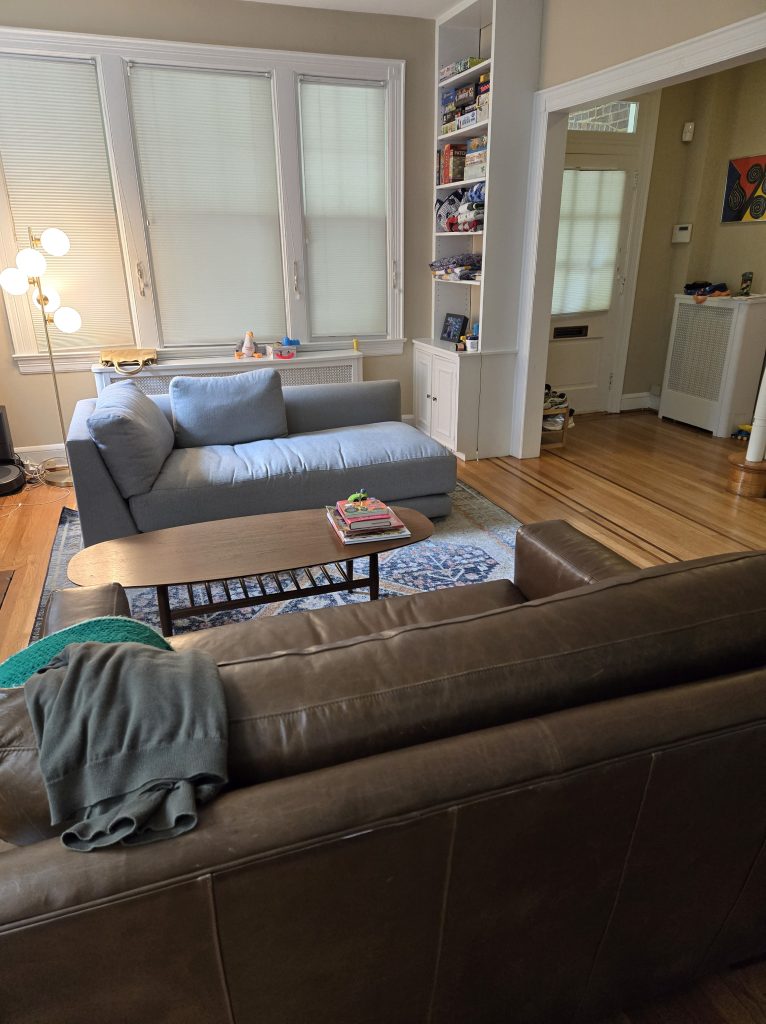
Tell us about your space and we’ll send a free estimate. You can call, text or fill out the quote form, and attach photos if you like.
- Phone / text: (240) 350-6404
- Email: contact@anas-cleaningservices.com
- Hours: Mon–Fri 8:00 AM–8:00 PM · Sat 8:00 AM–6:00 PM · Sunday closed
- Service area: Silver Spring, Bethesda, Potomac, Tysons and the DMV


 Send Message