




Cleaning Tips & Guides
The Ana’s Cleaning Services blog shares practical cleaning tips and guides from Silver Spring, MD: deep vs. regular cleaning, what a deep clean includes, allergies, pets, office cleaning and more.
- Updated monthly
- Silver Spring, MD
Hours: Mon–Fri 8:00 AM–8:00 PM · Sat 8:00 AM–6:00 PM · Sunday closed
Latest blog posts: cleaning tips and guides
Our guides draw on official sources such as the EPA and the CDC where health or safety is involved.
Short-Term Rentals
Airbnb Turnover Cleaning Checklist for Hosts
An Airbnb turnover cleaning checklist starts with the laundry, then covers high-touch surfaces, bathrooms, the kitchen, fresh linens and trash, and finishes with the floors. Following the same order every time keeps the rental consistent for each guest, and consistency is what shows up in reviews.Quick answer: Airbnb turnover cleaning checklistStrip the beds and start the laundry first.Wipe high-touch surfaces: remotes, knobs, switches, handles.Reset bathrooms and the kitchen; no dishes or leftover food.Take out all trash and air the place out.Do the floors last.Want it handled? See Airbnb cleaning.On this pageWhat is the right order for an Airbnb turnover?What do guests notice most?Do I need a license to host a short-term rental in Montgomery County?Frequently asked questionsKeep your rental guest-readyWhat is the right order for an Airbnb turnover?Start the laundry. Strip beds and collect towels so loads run while you clean.Clear and take out trash in every room.Dust and wipe surfaces, working top to bottom.High-touch surfaces: remotes, doorknobs, light switches, handles, faucets.Bathrooms: toilet, shower or tub, sink, mirror, floor; restock basics.Kitchen: dishes done, counters and sink wiped, appliances free of leftover food.Make the beds with fresh linens and hang clean towels.Floors last: vacuum and mop.Airbnb's own host guidance recommends starting with laundry and finishing with the floors. What do guests notice most?Hair in the bathroom, dishes in the sink, crumbs on counters and a stale smell. Those are the details that turn into comments in reviews, so check them last before you lock up. Do I need a license to host a short-term rental in Montgomery County?In most of Montgomery County, yes. The county requires a short-term rental license, with exceptions for some municipalities. Check the Montgomery County DHCA FAQ for current rules.Hosting in Silver Spring or the DMV? Our Airbnb and short-term rental cleaning covers turnovers, with sheet changes, laundry and dish loads available as extras. Ask about the Airbnb / short-term rental combo.Frequently asked questionsHow long does an Airbnb turnover take?It depends on the size of the rental and whether laundry is done on site. Starting the laundry first saves the most time.Should the cleaner do the laundry?It's usually the easiest way to keep turnovers on time. With Ana's Cleaning Services, laundry (wash and fold) and changing sheets are available extras.How do cleaners get in between guests?A lock box or door code works best. Key pickup is also possible.What should always be checked before the next guest?Bathroom hair, dishes, leftover food, trash, fresh linens and towels, and floors.Do you clean Airbnbs in Silver Spring?Yes. Call or text (240) 350-6404 for a free estimate.SourcesAirbnb Resource Center: Ensuring your place is sparkling cleanMontgomery County DHCA: Short-term rental FAQsCDC: When and How to Clean and Disinfect Your HomeKeep your rental guest-readyTell us about your space and we'll send a free estimate. You can call, text or fill out the quote form, and attach photos if you like.Get a free estimateCall (240) 350-6404Phone / text: (240) 350-6404Email: contact@anas-cleaningservices.comHours: Mon–Fri 8:00 AM–8:00 PM · Sat 8:00 AM–6:00 PM · Sunday closedService area: Silver Spring, Bethesda, Potomac, Tysons and the DMVAbout the authorWritten by Paola L. for Ana's Cleaning Services, the Silver Spring, Maryland cleaning company owned by Ana Tomas. The team has cleaned homes and offices across the DMV since 2016.{"@context":"https://schema.org","@graph":[{"@type":"FAQPage","@id":"https://anas-cleaningservices.com/airbnb-turnover-cleaning-checklist/#faq","url":"https://anas-cleaningservices.com/airbnb-turnover-cleaning-checklist/","mainEntity":[{"@type":"Question","name":"How long does an Airbnb turnover take?","acceptedAnswer":{"@type":"Answer","text":"It depends on the size of the rental and whether laundry is done on site. Starting the laundry first saves the most time."}},{"@type":"Question","name":"Should the cleaner do the laundry?","acceptedAnswer":{"@type":"Answer","text":"It's usually the easiest way to keep turnovers on time. With Ana's Cleaning Services, laundry (wash and fold) and changing sheets are available extras."}},{"@type":"Question","name":"How do cleaners get in between guests?","acceptedAnswer":{"@type":"Answer","text":"A lock box or door code works best. Key pickup is also possible."}},{"@type":"Question","name":"What should always be checked before the next guest?","acceptedAnswer":{"@type":"Answer","text":"Bathroom hair, dishes, leftover food, trash, fresh linens and towels, and floors."}},{"@type":"Question","name":"Do you clean Airbnbs in Silver Spring?","acceptedAnswer":{"@type":"Answer","text":"Yes. Call or text (240) 350-6404 for a free estimate."}}]}]}
Read MoreHome Cleaning Tips
How Often Should You Get Your House Cleaned?
How often should you get your house cleaned? Most homes do well with professional house cleaning every two weeks. Busy households with kids or pets often need weekly visits, while smaller or lightly used homes can stay on track with a monthly cleaning. High-touch surfaces like doorknobs and counters still need regular attention between visits.Quick answer: how often to book house cleaningBi-weekly suits most households.Weekly works best with kids, pets, allergies or heavy foot traffic.Monthly can work for small or lightly used homes.Start with a deep cleaning if it's been a while.Wipe high-touch surfaces between visits.On this pageHow do I choose between weekly, bi-weekly and monthly cleaning?What should be cleaned between professional visits?Why does my house get dirty so fast even with regular cleaning?Do I need a deep cleaning before starting a schedule?Frequently asked questionsSet up your cleaning scheduleHow do I choose between weekly, bi-weekly and monthly cleaning?WeeklyKids, pets, allergies, a home office or lots of visitors. Buildup never gets a chance to settle.Bi-weeklyMost couples and families. Bathrooms and kitchen stay under control.MonthlySingles, small apartments, or homes that are tidy day to day but need a regular reset.One timeBefore guests, after a busy season, or to try a cleaning company. What should be cleaned between professional visits?The CDC recommends cleaning high-touch surfaces like light switches, doorknobs and countertops regularly and after you have visitors. A quick daily wipe of kitchen counters and the bathroom sink keeps things fresh until the next visit. Why does my house get dirty so fast even with regular cleaning?Dust comes from outside air, fabrics, skin and pet dander, and it settles again within days. Regular visits don't stop that, but they keep it from building up. Read why your home gets dusty so fast.Do I need a deep cleaning before starting a schedule?If the home hasn't had a professional cleaning in a while, yes. A deep cleaning removes built-up grime, so recurring visits can maintain it instead of catching up. See deep cleaning vs. regular cleaning.Want a set schedule? Our recurring house cleaning in Silver Spring and the DMV comes weekly, bi-weekly or monthly, with supplies included. Weekly clients get a complimentary front-entrance blower cleanup.Frequently asked questionsHow often should a house be professionally cleaned?Every two weeks for most households; weekly for homes with kids, pets or allergies; monthly for small or lightly used homes.Is weekly cleaning worth it?For busy households with pets or kids, often yes. Weekly visits keep bathrooms and floors consistently clean and take cleaning off your weekend.Is monthly cleaning enough?It can be for a small, tidy home. You'll still want to wipe kitchen counters and bathrooms between visits.Can I change my schedule later?Yes. Many clients start with a deep cleaning, then choose a frequency and adjust it as needed.Do you offer recurring cleaning in Silver Spring?Yes. Ana's Cleaning Services offers weekly, bi-weekly and monthly house cleaning in Silver Spring and across the DMV. Call or text (240) 350-6404.SourcesCDC: When and How to Clean and Disinfect Your HomeSet up your cleaning scheduleTell us about your space and we'll send a free estimate. You can call, text or fill out the quote form, and attach photos if you like.Get a free estimateCall (240) 350-6404Phone / text: (240) 350-6404Email: contact@anas-cleaningservices.comHours: Mon–Fri 8:00 AM–8:00 PM · Sat 8:00 AM–6:00 PM · Sunday closedService area: Silver Spring, Bethesda, Potomac, Tysons and the DMVAbout the authorWritten by Paola L. for Ana's Cleaning Services, the Silver Spring, Maryland cleaning company owned by Ana Tomas. The team has cleaned homes and offices across the DMV since 2016.{"@context":"https://schema.org","@graph":[{"@type":"FAQPage","@id":"https://anas-cleaningservices.com/how-often-house-cleaning/#faq","url":"https://anas-cleaningservices.com/how-often-house-cleaning/","mainEntity":[{"@type":"Question","name":"How often should a house be professionally cleaned?","acceptedAnswer":{"@type":"Answer","text":"Every two weeks for most households; weekly for homes with kids, pets or allergies; monthly for small or lightly used homes."}},{"@type":"Question","name":"Is weekly cleaning worth it?","acceptedAnswer":{"@type":"Answer","text":"For busy households with pets or kids, often yes. Weekly visits keep bathrooms and floors consistently clean and take cleaning off your weekend."}},{"@type":"Question","name":"Is monthly cleaning enough?","acceptedAnswer":{"@type":"Answer","text":"It can be for a small, tidy home. You'll still want to wipe kitchen counters and bathrooms between visits."}},{"@type":"Question","name":"Can I change my schedule later?","acceptedAnswer":{"@type":"Answer","text":"Yes. Many clients start with a deep cleaning, then choose a frequency and adjust it as needed."}},{"@type":"Question","name":"Do you offer recurring cleaning in Silver Spring?","acceptedAnswer":{"@type":"Answer","text":"Yes. Ana's Cleaning Services offers weekly, bi-weekly and monthly house cleaning in Silver Spring and across the DMV. Call or text (240) 350-6404."}}]}]}
Read MoreHome Cleaning Tips
How to Prepare for a House Cleaning Visit
To prepare for house cleaning, pick up clutter so surfaces are reachable, decide how the team will get in, secure pets, and tell the cleaners about delicate surfaces or rooms to skip. You don't need to pre-clean or buy supplies. The goal is to let the team spend its time cleaning instead of moving your things.Quick answer: how to prepare for house cleaningPick up clothes, toys, papers and dishes.Plan access: be home, leave a lock box, or arrange key pickup.Secure pets and mention them when you book.Point out delicate surfaces and priority rooms.No need to buy supplies: at Ana's Cleaning Services they're included.On this pageDo I need to clean before the cleaners come?What should I pick up before a house cleaning?How will the cleaners get in?What about pets?What should I tell the cleaning team?Frequently asked questionsBook your cleaningDo I need to clean before the cleaners come?No. Tidying and cleaning are different. Picking up items helps the team reach counters, floors and furniture, but you don't need to scrub anything. That's what you're paying for. What should I pick up before a house cleaning?Clothes and shoes on floors and bedsDishes in the sink (unless you booked dish loads)Toys, papers and mail on counters and tablesValuables, cash and medicationsAnything fragile you'd rather move yourselfHow will the cleaners get in?Agree on it before the visit. Common options are meeting the team at the door, a lock box, a key left with a neighbor, or key pickup. Many regular clients aren't home during their cleaning. What about pets?Tell the company about your pets when you book. Keep anxious pets in a closed room or crate, and put away food bowls and litter boxes if you'd like the area underneath cleaned.What should I tell the cleaning team?Surfaces that need special care (marble, unsealed wood, antiques)Rooms to skip or prioritizeProducts you prefer or want to avoidExtras you want this time, such as inside the oven or fridgeAlways follow the manufacturer's instructions for delicate surfaces. The CDC also recommends using products suitable for each surface.Ready to book? See what's included in our recurring house cleaning and deep cleaning, or request a free estimate.Frequently asked questionsDo I need to be home during a house cleaning?No. You can leave a key or lock box, or arrange key pickup. Let the company know in advance.Should I provide cleaning supplies?Not with Ana's Cleaning Services: supplies are included at no extra charge. If you prefer your own products, tell us when you book.Should I strip the beds?Only if you want fresh sheets put on. Changing sheets is an add-on; leave clean sheets out if you'd like us to do it.What if I have pets?Mention them when you book and keep nervous pets in a separate room.How do I get an estimate?Call or text (240) 350-6404 or use our online quote form. Photos help.SourcesCDC: When and How to Clean and Disinfect Your HomeBook your cleaningTell us about your space and we'll send a free estimate. You can call, text or fill out the quote form, and attach photos if you like.Get a free estimateCall (240) 350-6404Phone / text: (240) 350-6404Email: contact@anas-cleaningservices.comHours: Mon–Fri 8:00 AM–8:00 PM · Sat 8:00 AM–6:00 PM · Sunday closedService area: Silver Spring, Bethesda, Potomac, Tysons and the DMVAbout the authorWritten by Paola L. for Ana's Cleaning Services, the Silver Spring, Maryland cleaning company owned by Ana Tomas. The team has cleaned homes and offices across the DMV since 2016.{"@context":"https://schema.org","@graph":[{"@type":"FAQPage","@id":"https://anas-cleaningservices.com/prepare-for-house-cleaning/#faq","url":"https://anas-cleaningservices.com/prepare-for-house-cleaning/","mainEntity":[{"@type":"Question","name":"Do I need to be home during a house cleaning?","acceptedAnswer":{"@type":"Answer","text":"No. You can leave a key or lock box, or arrange key pickup. Let the company know in advance."}},{"@type":"Question","name":"Should I provide cleaning supplies?","acceptedAnswer":{"@type":"Answer","text":"Not with Ana's Cleaning Services: supplies are included at no extra charge. If you prefer your own products, tell us when you book."}},{"@type":"Question","name":"Should I strip the beds?","acceptedAnswer":{"@type":"Answer","text":"Only if you want fresh sheets put on. Changing sheets is an add-on; leave clean sheets out if you'd like us to do it."}},{"@type":"Question","name":"What if I have pets?","acceptedAnswer":{"@type":"Answer","text":"Mention them when you book and keep nervous pets in a separate room."}},{"@type":"Question","name":"How do I get an estimate?","acceptedAnswer":{"@type":"Answer","text":"Call or text (240) 350-6404 or use our online quote form. Photos help."}}]}]}
Read MoreDeep & Move-Out Cleaning
Move-Out Cleaning Checklist: What to Clean Before You Hand Back the Keys
A move-out cleaning checklist covers every room of an empty home: the kitchen inside and out, bathrooms, closets, cabinets, window tracks, baseboards and floors. Clean top to bottom, room by room, after the furniture is out. In Maryland, a clean unit also makes the final walk-through easier when your landlord reviews the security deposit.Quick answer: move-out cleaning checklistWait until the home is empty so every surface is reachable.Work top to bottom: shelves and fixtures first, floors last.Don't skip the inside of cabinets, the oven, the fridge and window tracks.In Maryland, landlords have 45 days after the tenancy ends to return the deposit or send an itemized list of damages.Short on time? Book a move-out cleaning.On this pageWhat should a move-out cleaning checklist include?When should I do the move-out cleaning?Will a clean home help me get my security deposit back?What isn't part of a move-out cleaning?Frequently asked questionsLet us handle the move-out cleaningWhat should a move-out cleaning checklist include?Go room by room. This is the list we use as a starting point for a vacant home:KitchenWipe the inside and outside of all cabinets and drawersClean countertops, backsplash, sink and faucetClean the inside of the oven, fridge and microwaveWipe the outside of all appliances, including the hoodSweep and mop, including under the edges of appliancesBathroomsScrub the toilet, tub, shower and tileClean the sink, faucet, mirror and medicine cabinet (inside too)Wipe light fixtures, switches and the exhaust fan coverMop the floor and wipe the baseboardsBedrooms and living areasDust ceiling fans and light fixturesWipe closet shelves and rodsWipe doors, door frames, knobs and switch platesClean interior windows, sills and tracksHand-wipe baseboardsVacuum and mop all floors When should I do the move-out cleaning?After everything is packed and moved out, and before the final walk-through. Boxes and furniture hide dust and marks, so cleaning an occupied home twice is common. If you need the cleaning on a specific date, book it as soon as you know your move date. Will a clean home help me get my security deposit back?It helps, but it isn't the only factor. Under Maryland law, landlords can only deduct for damage beyond ordinary wear and tear, and they must return the deposit or send a written list of damages within 45 days after the tenancy ends. Tenants can also ask for a final inspection by certified mail at least 15 days before moving out. Check your lease and the Maryland People's Law Library for the details that apply to you.What isn't part of a move-out cleaning?Repairs and painting, hauling away furniture or trash, and exterior windows. Carpet steam cleaning is usually a separate add-on. If your lease requires professional carpet cleaning, plan for it.Moving out in Silver Spring or the DMV? Our move-in / move-out cleaning covers empty homes top to bottom, including inside cabinets and closets. Supplies are included and estimates are free.Frequently asked questionsHow long does a move-out cleaning take?It depends on the size and condition of the home. An empty apartment takes less time than a full house with a finished basement. Photos help us give you a realistic estimate.Should I clean before or after the movers come?After. Once the rooms are empty you can reach baseboards, closets and floors, and you won't have to clean twice.Do I need to clean inside the fridge and oven?Yes, landlords and new owners usually check them. Empty and wipe the fridge, and clean the oven interior.How long does a Maryland landlord have to return a security deposit?45 days after the tenancy ends, either with the deposit or with a written, itemized list of damages and costs.Can Ana's Cleaning Services do my move-out cleaning?Yes. We clean vacant homes in Silver Spring and across the DMV. Call or text (240) 350-6404 or request a free estimate online.SourcesMaryland People's Law Library: Security depositsMontgomery County DHCA: Security depositsLet us handle the move-out cleaningTell us about your space and we'll send a free estimate. You can call, text or fill out the quote form, and attach photos if you like.Get a free estimateCall (240) 350-6404Phone / text: (240) 350-6404Email: contact@anas-cleaningservices.comHours: Mon–Fri 8:00 AM–8:00 PM · Sat 8:00 AM–6:00 PM · Sunday closedService area: Silver Spring, Bethesda, Potomac, Tysons and the DMVAbout the authorWritten by Paola L. for Ana's Cleaning Services, the Silver Spring, Maryland cleaning company owned by Ana Tomas. The team has cleaned homes and offices across the DMV since 2016.{"@context":"https://schema.org","@graph":[{"@type":"FAQPage","@id":"https://anas-cleaningservices.com/move-out-cleaning-checklist/#faq","url":"https://anas-cleaningservices.com/move-out-cleaning-checklist/","mainEntity":[{"@type":"Question","name":"How long does a move-out cleaning take?","acceptedAnswer":{"@type":"Answer","text":"It depends on the size and condition of the home. An empty apartment takes less time than a full house with a finished basement. Photos help us give you a realistic estimate."}},{"@type":"Question","name":"Should I clean before or after the movers come?","acceptedAnswer":{"@type":"Answer","text":"After. Once the rooms are empty you can reach baseboards, closets and floors, and you won't have to clean twice."}},{"@type":"Question","name":"Do I need to clean inside the fridge and oven?","acceptedAnswer":{"@type":"Answer","text":"Yes, landlords and new owners usually check them. Empty and wipe the fridge, and clean the oven interior."}},{"@type":"Question","name":"How long does a Maryland landlord have to return a security deposit?","acceptedAnswer":{"@type":"Answer","text":"45 days after the tenancy ends, either with the deposit or with a written, itemized list of damages and costs."}},{"@type":"Question","name":"Can Ana's Cleaning Services do my move-out cleaning?","acceptedAnswer":{"@type":"Answer","text":"Yes. We clean vacant homes in Silver Spring and across the DMV. Call or text (240) 350-6404 or request a free estimate online."}}]}]}
Read MoreDeep & Move-Out Cleaning
The Cleaning Tasks Homeowners Keep Putting Off — And Why They Matter
Quick answer: the cleaning tasks we keep putting offMost of us keep putting off the same cleaning tasks: behind and under furniture, baseboards, vents, and bathrooms that need more than a quick wipe. The longer they wait, the more dust and buildup collect, which also affects indoor air quality. Tackle them before they become overwhelming, or book a deep cleaning to catch up.On this pageThe cleaning tasks that are easiest to postponeYou do not have to wait until your home feels overwhelmingThe best time to deal with postponed cleaning is before it becomes overwhelming There are the cleaning tasks you do because they are impossible to ignore. And then there are the ones you keep telling yourself you will get to “later.” Behind the furniture. Around the baseboards. The bathroom that needs more than a quick wipe-down. The areas that are difficult to reach. The surfaces that have slowly collected dust and buildup while everyday life keeps getting in the way. The problem is that “later” can turn into weeks or months. According to the American Cleaning Institute’s 2024 National Cleaning Survey, 49% of people who spring clean said they dread or try to avoid cleaning hard-to-reach places, such as behind or underneath furniture and appliances. Another 38% said they avoid places that can get particularly dirty, including bathrooms, vents, and basements. For busy homeowners, these are often the exact tasks that never make it to the top of the list. The cleaning tasks that are easiest to postpone 1. Hard-to-reach areas If something requires moving furniture, reaching overhead, working around tight spaces, or spending extra time on one small area, it is easy to leave it for another day. That does not mean those areas do not need attention. Dust and particles can accumulate on surfaces that are not part of a quick everyday cleaning routine. The EPA recommends routine cleaning practices such as vacuuming carpets and fabric-covered furniture and dusting hard surfaces with a damp cloth to help reduce indoor dust and other pollutants. The issue is not that every corner of your home needs to be cleaned every day. It is that the areas you consistently skip can eventually become the areas that require the most work. 2. Bathrooms that need more than a quick clean Bathrooms are one of the areas homeowners commonly identify as difficult or unpleasant to clean. And there is a reason a quick wipe-down can feel very different from a thorough cleaning. Regular cleaning removes dirt and impurities from surfaces. The CDC recommends regularly cleaning high-touch surfaces in the home, including items such as light switches, doorknobs, and countertops. A bathroom that is cleaned only when it becomes visibly dirty can quickly become another weekend project. Professional residential cleaning can take that recurring task off the homeowner's list, helping maintain the spaces that require consistent attention. 3. Vents, baseboards, and overlooked surfaces Some surfaces are simply easier to forget. Baseboards, vents, corners, high surfaces, and other less-visible areas do not always attract attention during a quick cleaning routine. But “out of sight” does not mean “does not collect dust.” The EPA notes that indoor dust can contain particles from outdoor soil, pollen, mold spores, pet dander, dust mites, skin flakes, and other sources. Frequent cleaning can help reduce the buildup of indoor dust. This is especially relevant for homes with pets, children, or high daily traffic, where keeping up with every cleaning task can become difficult. 4. The jobs that take too much time Sometimes the problem is not knowing how to clean something. It is simply not having the time. The same ACI survey found that 21% of respondents who had not completed spring cleaning said it felt overwhelming, while another 21% said they would rather spend their time doing other things. Sixteen percent said they did not have enough time. That sounds familiar to many households. Work, family responsibilities, errands, appointments, meals, and everything else that fills a week can push cleaning further down the list. Eventually, a few postponed tasks become a much larger cleaning project. You do not have to wait until your home feels overwhelming Professional cleaning is not only for homes that are visibly dirty. It can also be a practical solution for homeowners who simply do not have the time—or do not want to spend their free time—working through the tasks they have been postponing. Ana’s Cleaning Services provides residential cleaning designed to help homeowners maintain their kitchens, bathrooms, bedrooms, and other areas of the home without having to take the entire responsibility on themselves. Instead of spending your next free Saturday catching up on everything you skipped during the week, professional cleaning can give you a way to stay ahead of the buildup. The best time to deal with postponed cleaning is before it becomes overwhelming If you keep looking at the same areas of your home and thinking, “I really need to clean that,” that may be your sign that your current routine is no longer enough. You do not need to wait until your home needs an entire weekend of work. Ana’s Cleaning Services offers professional residential cleaning and free estimates, giving homeowners a practical way to get the cleaning under control and keep it from becoming another task that constantly gets pushed to tomorrow. Ready to stop putting it off? Contact Ana’s Cleaning Services today to request a free estimate and find out how professional cleaning can fit your home and your routine. Frequently asked questionsWhich cleaning tasks do people put off most?Hard-to-reach areas, bathrooms that need more than a quick wipe, vents and baseboards, and jobs that simply take too much time.Why does putting off cleaning make it harder?The longer dust and buildup sit, the more effort they take to remove, and "later" can easily turn into weeks or months.Is professional cleaning only for very dirty homes?No. It's also a practical way to catch up on the tasks you keep putting off before they become overwhelming.{"@context":"https://schema.org","@type":"FAQPage","@id":"https://anas-cleaningservices.com/keep-putting-off-and-why-they-matter/#faq","url":"https://anas-cleaningservices.com/keep-putting-off-and-why-they-matter/","mainEntity":[{"@type":"Question","name":"Which cleaning tasks do people put off most?","acceptedAnswer":{"@type":"Answer","text":"Hard-to-reach areas, bathrooms that need more than a quick wipe, vents and baseboards, and jobs that simply take too much time."}},{"@type":"Question","name":"Why does putting off cleaning make it harder?","acceptedAnswer":{"@type":"Answer","text":"The longer dust and buildup sit, the more effort they take to remove, and \"later\" can easily turn into weeks or months."}},{"@type":"Question","name":"Is professional cleaning only for very dirty homes?","acceptedAnswer":{"@type":"Answer","text":"No. It's also a practical way to catch up on the tasks you keep putting off before they become overwhelming."}}]} Home need a reset? Our deep cleaning goes after buildup in kitchens, bathrooms and living areas. Moving? See move-in / move-out cleaning.Get a free cleaning estimateTell us about your home or office and we'll send a free estimate. Call, text or use the quote form.Get a free estimateCall (240) 350-6404Phone / text: (240) 350-6404Hours: Mon–Fri 8:00 AM–8:00 PM · Sat 8:00 AM–6:00 PM · Sunday closedService area: Silver Spring, Bethesda, Potomac, Tysons and the DMVAbout the authorWritten by Paola L. for Ana's Cleaning Services, the Silver Spring, Maryland cleaning company owned by Ana Tomas. The team has cleaned homes and offices across the DMV since 2016.
Read MoreDeep & Move-Out Cleaning
What Should Be Included in a Deep Cleaning Service?
Quick answer: what's included in a deep cleaning service?A deep cleaning service should go beyond routine cleaning: kitchens and bathrooms in detail, high-touch surfaces, baseboards, vents and other overlooked spots. There's no universal checklist, so ask what's included before you book. For product safety, look for the EPA's Safer Choice label.A deep cleaning goes beyond routine maintenance and targets buildup in kitchens, bathrooms, bedrooms and living areas.There's no universal checklist, so ask each company what's included.Inside appliances, carpet extraction, exterior windows and HVAC ducts are often separate.See what our deep cleaning covers.On this pageWhat exactly is included?What Makes a Deep Cleaning Different?What Areas Should Receive Extra Attention?Don't Forget the High-Touch SurfacesWhat About Baseboards, Vents, and Other Overlooked Areas?What Deep Cleaning Does Not Automatically IncludeWhen Does Your Home Need a Deep Cleaning?Deep Cleaning Should Be the Beginning, Not the EndAsk These Questions Before Booking a Deep CleaningYour Home May Need More Than a Routine Cleaning When homeowners hear the words “deep cleaning,” they often assume they know what they are getting. But there is an important question that many people forget to ask: What exactly is included? A deep cleaning should go beyond the basic maintenance tasks performed during a routine cleaning. However, there is no single universal checklist that defines every professional deep cleaning service. The exact scope can vary depending on the cleaning company, the condition of the home, and the areas that require additional attention. That is why understanding what to expect—and what to ask before booking—is essential. What Makes a Deep Cleaning Different? Routine cleaning is primarily about maintaining a home that is already reasonably clean. Deep cleaning is different. It is intended to address accumulated dirt, dust, residue, and buildup in areas that may not receive the same attention during regular maintenance. Professional cleaning services may approach deep cleaning differently, but the goal is generally to provide a more detailed cleaning of the home rather than simply repeating the basic tasks of a routine visit. The CDC recommends cleaning surfaces regularly and notes that cleaning removes dirt, impurities, and most germs from surfaces. For homeowners, the key question is not simply whether a company offers “deep cleaning.” It is what that company actually includes in the service. What Areas Should Receive Extra Attention? A thorough deep cleaning may include more detailed attention to areas throughout the home, depending on the condition of the property and the agreed-upon scope of service. Kitchen The kitchen is one of the areas where everyday activity can create significant buildup. A deep cleaning may focus on: Countertops and backsplash Cabinet exteriors Sinks and faucets Appliances and their exterior surfaces Areas around cooking surfaces Floors and edges Accumulated grease and residue Kitchen surfaces should be cleaned with products appropriate for the specific material. The CDC recommends using suitable cleaning products according to the manufacturer's instructions. If a homeowner expects the inside of an oven, refrigerator, or cabinets to be cleaned, that should be confirmed with the cleaning company before booking. These tasks are not automatically included in every provider's deep cleaning package. Bathrooms Bathrooms require particular attention because moisture, soap residue, and everyday use can create buildup. A detailed cleaning may address: Toilets Sinks and faucets Showers and tubs Tile surfaces Glass shower doors Floors Hard-to-reach areas Grout and other porous surfaces may require additional care depending on their condition and the materials involved. A professional cleaner should also use products appropriate for each surface rather than assuming that one product is safe for everything. Bedrooms and Living Areas Bedrooms and living spaces can accumulate dust on surfaces that are easy to overlook during a quick cleaning. A more detailed service may include attention to: Furniture surfaces Baseboards Doors and door frames Accessible areas beneath furniture Ceiling fans Window sills Hard-to-reach surfaces Floors and carpets Soft surfaces such as carpets and rugs also require appropriate cleaning methods. The CDC recommends vacuuming carpets and rugs and using cleaning products appropriate for those surfaces. Don't Forget the High-Touch Surfaces Some of the most frequently handled areas inside a home can easily be overlooked. These can include: Doorknobs Light switches Handles Countertops Faucets Remote controls Other frequently touched surfaces The CDC specifically recommends regularly cleaning high-touch surfaces such as doorknobs, light switches, and countertops. Cleaning and disinfecting are not the same thing, however. Cleaning removes dirt and impurities. Disinfecting involves using chemicals designed to kill germs that remain on surfaces after cleaning. In most household situations, routine cleaning is sufficient unless there is a specific reason to disinfect, such as someone being sick. That distinction matters when choosing a professional cleaning service. What About Baseboards, Vents, and Other Overlooked Areas? Deep cleaning is often associated with areas that are not part of a homeowner's everyday cleaning routine. Depending on the service agreement, additional attention may be given to areas such as: Baseboards Window sills Door frames Ceiling fans Accessible vents Areas behind or underneath furniture Other areas where dust and debris have accumulated However, homeowners should always confirm exactly what is included. For example, cleaning an accessible vent cover is not the same as cleaning an HVAC duct system. The EPA explains that air duct cleaning is a separate service involving the heating and cooling system and its components. This distinction can prevent misunderstandings and unexpected charges. What Deep Cleaning Does Not Automatically Include One of the biggest mistakes homeowners make is assuming that everything difficult to clean is automatically part of a deep cleaning package. That may not be the case. Depending on the company, services such as these may require separate arrangements: Carpet extraction Exterior window cleaning Inside appliances HVAC duct cleaning Mold remediation Heavy biohazard cleanup Pest-related cleanup Major clutter removal A professional cleaning company should be transparent about what is included, what is optional, and what falls outside the scope of the service. When Does Your Home Need a Deep Cleaning? A deep cleaning may be worth considering when routine cleaning no longer seems to be enough. Some common situations include: You have recently moved A deep cleaning can help prepare a home before settling in or after moving out, depending on the scope of the service. It has been a long time since your last professional cleaning Dust, residue, and buildup can accumulate in areas that are not regularly addressed. You are preparing for guests If you want your home to feel refreshed before hosting family or friends, a more detailed cleaning can help. Your regular cleaning routine has fallen behind Work, family responsibilities, travel, and everyday life can make it difficult to keep up. Your home simply doesn't feel as fresh as it used to Sometimes the problem isn't obvious dirt. It is the accumulation of small cleaning tasks that have been postponed repeatedly. And waiting longer usually doesn't make those tasks easier. Deep Cleaning Should Be the Beginning, Not the End A deep cleaning can provide a reset. But keeping a home consistently clean requires maintenance. Once accumulated dirt and buildup have been addressed, recurring residential cleaning can help prevent the home from returning to the same condition. Instead of waiting until cleaning becomes an overwhelming weekend project, homeowners can establish a schedule that fits their household and lifestyle. That means less buildup, less stress, and less time spent trying to catch up. Ask These Questions Before Booking a Deep Cleaning Before hiring a cleaning company, don't simply ask: “Do you offer deep cleaning?” Ask: What areas are included? Which tasks are considered deep cleaning? Are inside appliances included? Are baseboards included? Are window interiors or tracks included? Are there additional charges for specific tasks? What should be prepared before the cleaners arrive? What services are not included? A clear answer helps you compare cleaning services based on what you are actually receiving rather than simply comparing prices. Your Home May Need More Than a Routine Cleaning If dust, residue, and buildup have been accumulating for months, a quick maintenance cleaning may not provide the reset your home needs. That's when a professional deep cleaning can make a meaningful difference. Ana's Cleaning Services provides residential cleaning services designed to help homeowners maintain a cleaner, more comfortable living environment. Whether your home needs a more detailed cleaning to get back on track or ongoing residential cleaning to prevent buildup from becoming overwhelming, professional help can save you valuable time and effort. Don't wait until cleaning becomes an all-day project. Contact Ana's Cleaning Services to request a free estimate and find out which cleaning service is right for your home. Frequently asked questionsWhat should a deep cleaning service include?Detailed cleaning of kitchens and bathrooms, high-touch surfaces, baseboards, window sills, door frames, ceiling fans, accessible vents and areas under and behind furniture.What is usually not included in a deep cleaning service?Often separate: carpet extraction, exterior windows, inside appliances, HVAC duct cleaning, mold remediation, biohazard cleanup and pest-related cleaning. Ask each company what it includes.When does a home need a deep cleaning service?After a move, when it's been a long time since the last professional cleaning, before guests arrive, when your routine has fallen behind or when the home just doesn't feel fresh.{"@context":"https://schema.org","@type":"FAQPage","@id":"https://anas-cleaningservices.com/what-should-be-included-in-a-deep-cleaning-service/#faq","url":"https://anas-cleaningservices.com/what-should-be-included-in-a-deep-cleaning-service/","mainEntity":[{"@type":"Question","name":"What should a deep cleaning service include?","acceptedAnswer":{"@type":"Answer","text":"Detailed cleaning of kitchens and bathrooms, high-touch surfaces, baseboards, window sills, door frames, ceiling fans, accessible vents and areas under and behind furniture."}},{"@type":"Question","name":"What is usually not included in a deep cleaning service?","acceptedAnswer":{"@type":"Answer","text":"Often separate: carpet extraction, exterior windows, inside appliances, HVAC duct cleaning, mold remediation, biohazard cleanup and pest-related cleaning. Ask each company what it includes."}},{"@type":"Question","name":"When does a home need a deep cleaning service?","acceptedAnswer":{"@type":"Answer","text":"After a move, when it's been a long time since the last professional cleaning, before guests arrive, when your routine has fallen behind or when the home just doesn't feel fresh."}}]} Home need a reset? Our deep cleaning goes after buildup in kitchens, bathrooms and living areas. Moving? See move-in / move-out cleaning.Get a free cleaning estimateTell us about your home or office and we'll send a free estimate. Call, text or use the quote form.Get a free estimateCall (240) 350-6404Phone / text: (240) 350-6404Hours: Mon–Fri 8:00 AM–8:00 PM · Sat 8:00 AM–6:00 PM · Sunday closedService area: Silver Spring, Bethesda, Potomac, Tysons and the DMVAbout the authorWritten by Paola L. for Ana's Cleaning Services, the Silver Spring, Maryland cleaning company owned by Ana Tomas. The team has cleaned homes and offices across the DMV since 2016.
Read MoreRather have us do it?
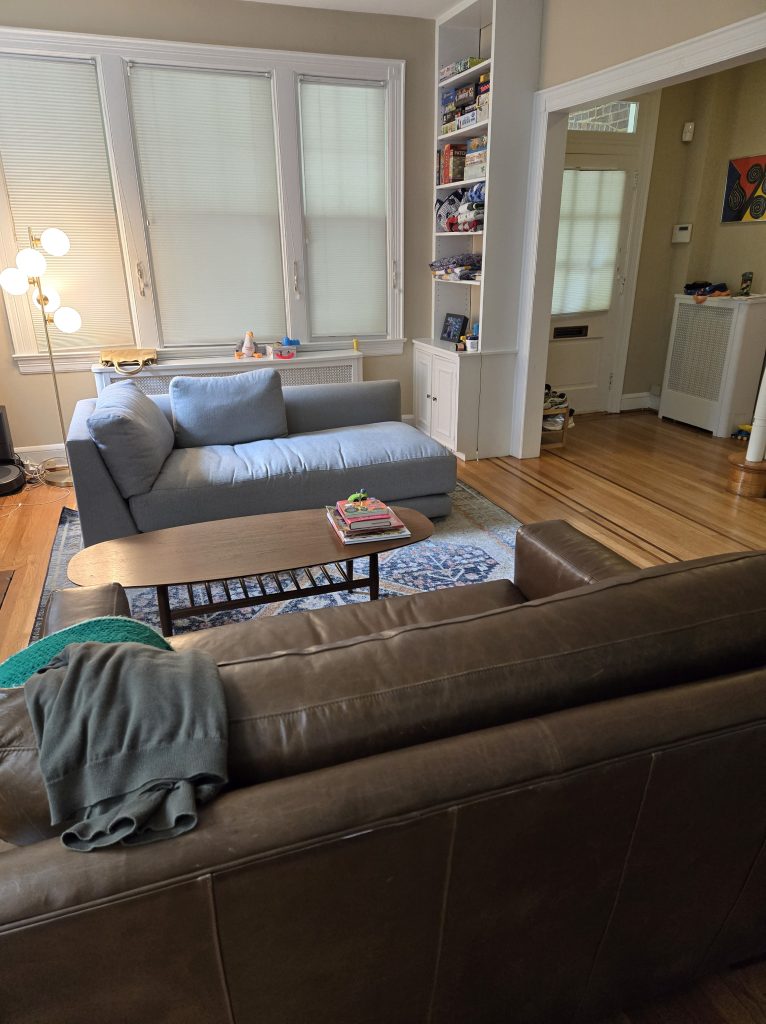
Tell us about your space and we’ll send a free estimate. You can call, text or fill out the quote form, and attach photos if you like.
- Phone / text: (240) 350-6404
- Email: contact@anas-cleaningservices.com
- Hours: Mon–Fri 8:00 AM–8:00 PM · Sat 8:00 AM–6:00 PM · Sunday closed
- Service area: Silver Spring, Bethesda, Potomac, Tysons and the DMV


 Send Message