





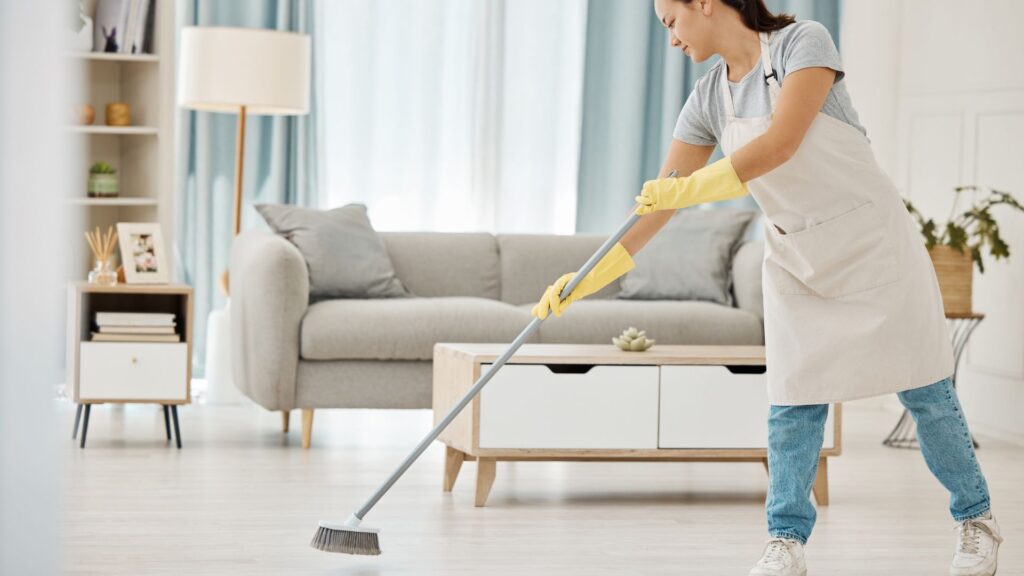
Quick answer: why your home gets dusty so fast
Your home gets dusty fast because much of the dust is made indoors: fibers, skin cells, pet dander and hair, plus pollen and soil tracked in from outside, all stirred up by foot traffic and HVAC airflow. Regular cleaning keeps it from building up. The EPA’s introduction to indoor air quality explains how indoor particles affect health.
- Household dust is a mix of fibers, pollen, soil, pet dander, skin cells, hair and other particles.
- Much of it is created inside the home every day and settles back on surfaces.
- Foot traffic, pets, carpets and HVAC airflow speed up buildup.
- Regular cleaning keeps it under control; see recurring house cleaning.
What Is Household Dust Made Of?
According to the U.S. Environmental Protection Agency (EPA), household dust is a complex mixture of particles that originate from both indoor and outdoor sources. Dust commonly contains:- Textile fibers from clothing, carpets, furniture, and bedding
- Pollen from outdoor plants
- Soil particles tracked in from outside
- Pet dander
- Dead skin cells
- Hair
- Insect debris
- Airborne pollutants
- Particles introduced through heating and cooling systems
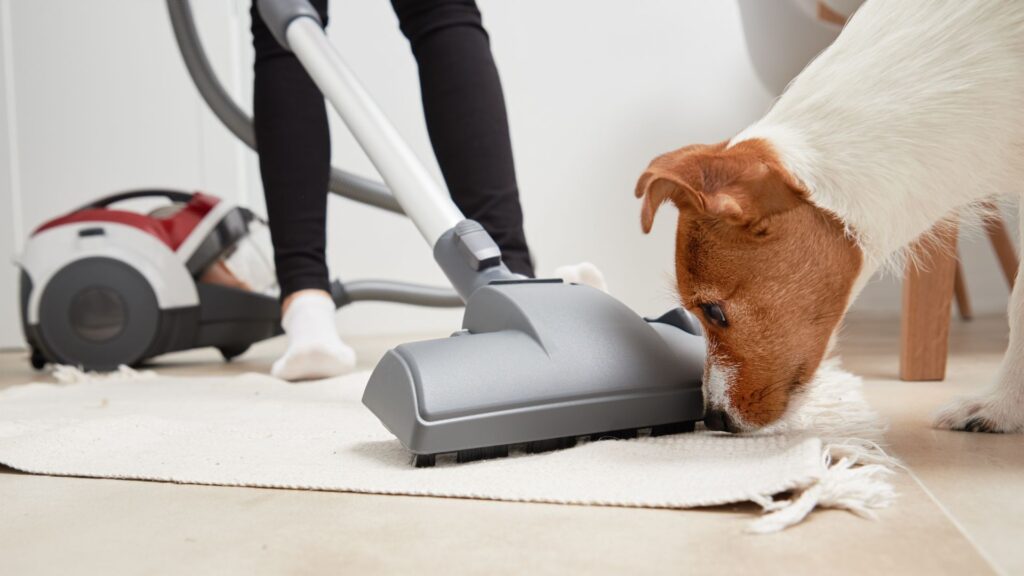
Why Does Dust Return So Quickly?
Many homeowners assume that dust only comes from outside. In reality, a significant portion of dust is created inside the home every day. Every time someone walks across a carpet, sits on a couch, makes a bed, opens a door, or turns on the HVAC system, particles become airborne and eventually settle back onto surfaces. Several factors can accelerate dust buildup:High Foot Traffic
Homes with children, pets, frequent visitors, or multiple occupants naturally generate more dust and debris.Pets
Pet hair and dander can significantly contribute to indoor dust levels, especially on carpets, upholstery, and hard-to-reach areas.HVAC Systems
Heating and cooling systems continuously circulate air throughout the home. If filters are not changed regularly, dust and other particles can spread more easily.Open Doors and Windows
Fresh air is beneficial, but open windows and doors also allow pollen, dirt, and outdoor pollutants to enter the home.Carpets and Upholstery
Soft surfaces act like filters, trapping particles throughout the day. As people move around the home, some of those particles become airborne again.Why Regular Cleaning Sometimes Isn’t Enough
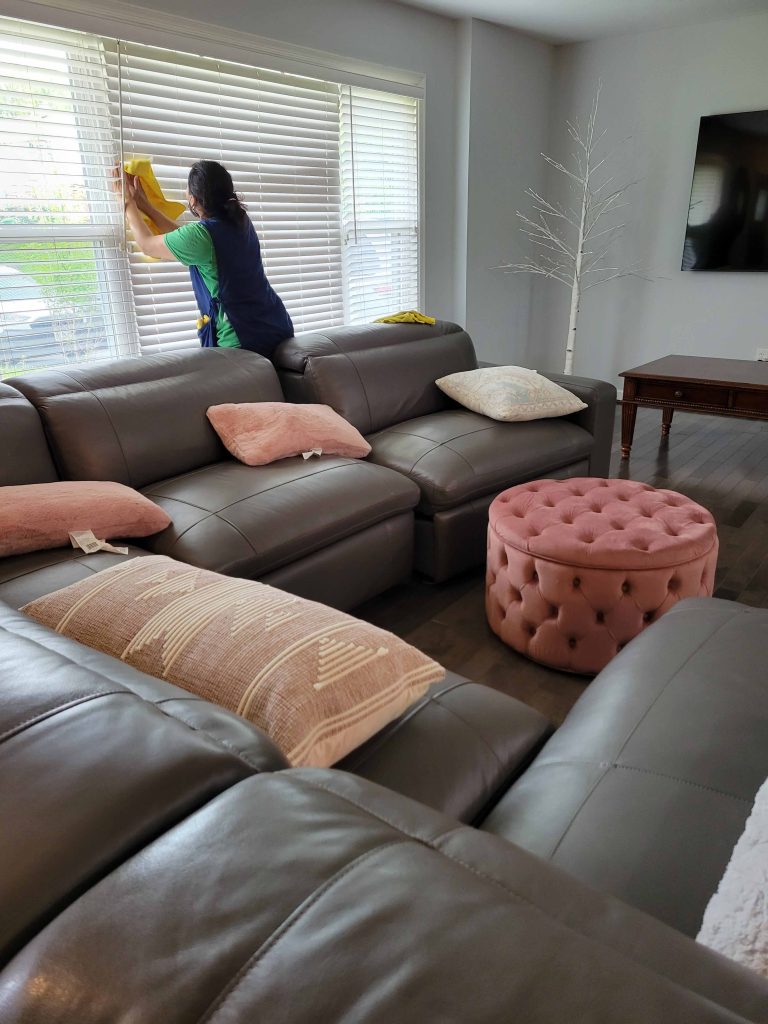
Routine cleaning is essential, but many homeowners are surprised to learn that dust often accumulates in places that are difficult to reach during standard cleaning sessions. Dust commonly settles on:- Baseboards
- Ceiling fans
- Air vents
- Window blinds
- Under furniture
- Behind appliances
- Carpet fibers
How Dust Impacts Your Home and Health
Dust is more than a cosmetic issue. The EPA notes that indoor particles can affect overall indoor air quality. For individuals with allergies, asthma, or respiratory sensitivities, dust accumulation may contribute to discomfort and symptom flare-ups. Common complaints associated with excessive dust include:- Sneezing
- Itchy eyes
- Nasal congestion
- Frequent dusting requirements
- Stale indoor air
- Reduced overall comfort
The Role of Professional Cleaning
Many homeowners believe that if dust keeps returning, they simply need to clean more often. In reality, the solution is often more strategic cleaning rather than more frequent cleaning. Professional residential cleaning services focus on areas where dust commonly accumulates and use systematic cleaning methods designed to reduce ongoing buildup. Professional cleaning helps:- Remove dust from hard-to-reach areas
- Reduce allergen accumulation
- Improve overall cleanliness
- Support better indoor air quality
- Maintain a cleaner home between visits
Stop Fighting Dust Alone
If you feel like you’re cleaning constantly but never winning the battle against dust, the issue may not be your effort. Dust is a continuous part of everyday life, and keeping it under control often requires a deeper, more consistent approach. Waiting until dust becomes visible throughout the home only makes the problem harder to manage. Regular professional cleaning helps prevent buildup before it becomes overwhelming.Schedule Your Cleaning Service Today
Ana’s Cleaning Services provides detailed residential cleaning designed to reduce dust buildup, improve indoor cleanliness, and help homeowners enjoy a fresher living environment. Whether you need recurring cleaning or a deep cleaning service, our team is ready to help you maintain a cleaner, healthier home. Request your free estimate today and discover how professional cleaning can help keep dust under control before it takes over your home.Frequently asked questions
Why does my home get dusty so fast?
Much household dust forms indoors from fibers, skin cells, pet dander and hair, plus pollen and soil from outside. Foot traffic, pets, HVAC airflow and open windows keep moving it around.
What is household dust made of?
Textile fibers from clothing, carpets and bedding, pollen, soil tracked in from outside, pet dander and dead skin cells.
Where does dust build up that regular cleaning misses?
Baseboards, ceiling fans, air vents, window blinds, under furniture, behind appliances and deep in carpet fibers.
Want a cleaner, healthier home without the work? See our recurring house cleaning or start with a deep cleaning. Supplies are included.
Get a free cleaning estimate
Tell us about your home or office and we’ll send a free estimate. Call, text or use the quote form.
- Phone / text: (240) 350-6404
- Hours: Mon–Fri 8:00 AM–8:00 PM · Sat 8:00 AM–6:00 PM · Sunday closed
- Service area: Silver Spring, Bethesda, Potomac, Tysons and the DMV


 Send Message