





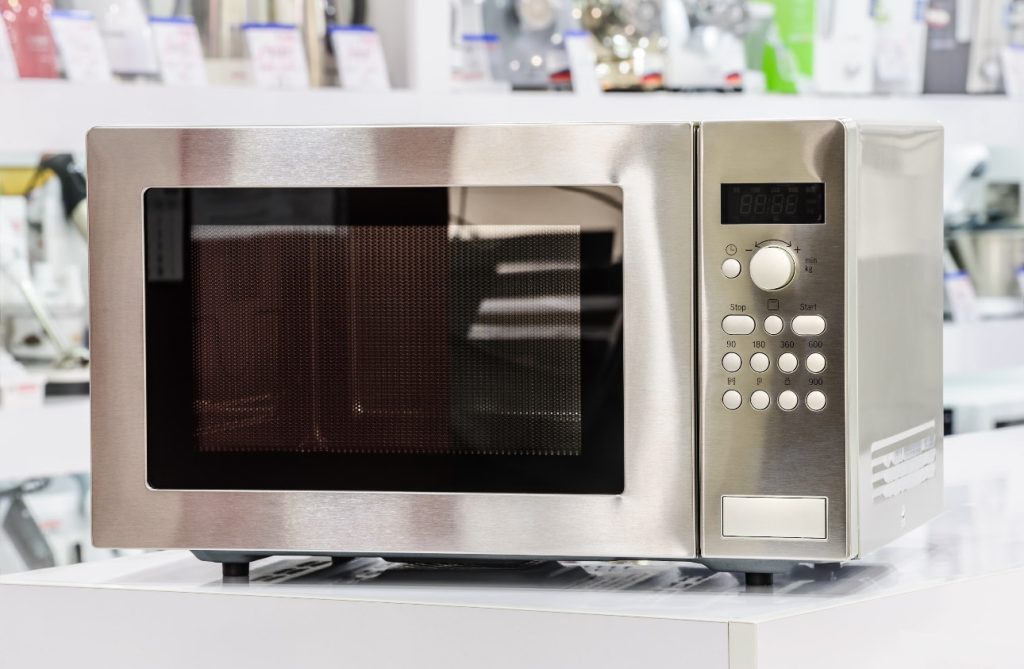
Quick answer: is a dirty microwave dangerous?
Yes, a dirty microwave can be a problem. Built-up food can scorch and catch fire, hold bacteria, make food heat unevenly, cause bad odors and damage the interior. Wipe spills when they happen and don’t let a dirty microwave go weeks without a clean. The FDA’s microwave oven page also covers safe use and door seals.
Microwaves are a staple in many kitchens, providing a quick and convenient way to heat up meals. However, like any frequently used appliance, they can become dirty over time. Spills, splatters, and food residue can accumulate, leaving your microwave looking less than pristine. But beyond just being an eyesore, a dirty microwave can pose several dangers. Here’s what you need to know about the risks associated with a dirty microwave and why keeping it clean is essential.
1. Fire Hazard
One of the most significant dangers of a dirty microwave is the increased risk of fire. Food particles and grease can build up inside the microwave, especially on the turntable and walls. These residues can become hot enough to ignite, particularly when cooking or reheating foods at high temperatures. Keeping your microwave clean minimizes the risk of these dangerous flare-ups.
2. Health Risks
A dirty microwave can be a breeding ground for bacteria and mold. Food particles left inside can spoil, leading to unpleasant odors and potential health risks. Every time you use the microwave, these bacteria can contaminate the food you’re reheating, increasing the risk of foodborne illnesses. Regular cleaning helps ensure that your microwave remains sanitary and safe for food preparation.

3. Inefficient Cooking
Food and grease buildup can affect your microwave’s efficiency. When the microwave’s surfaces are covered in grime, it can interfere with the proper distribution of microwaves, leading to uneven cooking or heating. This inefficiency means your food may not reach safe temperatures, posing a health risk, or it may take longer to cook, wasting energy and time.
4. Bad Odors
A microwave with accumulated food debris can develop persistent bad odors. These smells can be unpleasant and may even permeate the food you’re heating, affecting its taste and quality. Regular cleaning helps eliminate these odors, ensuring your food tastes as it should.
5. Damage to the Microwave
Over time, the build-up of food and grease can cause damage to the microwave’s interior surfaces. The residue can become baked on, making it difficult to remove and potentially causing permanent damage to the microwave’s interior coating. This damage not only affects the microwave’s appearance but can also impact its functionality and lifespan.
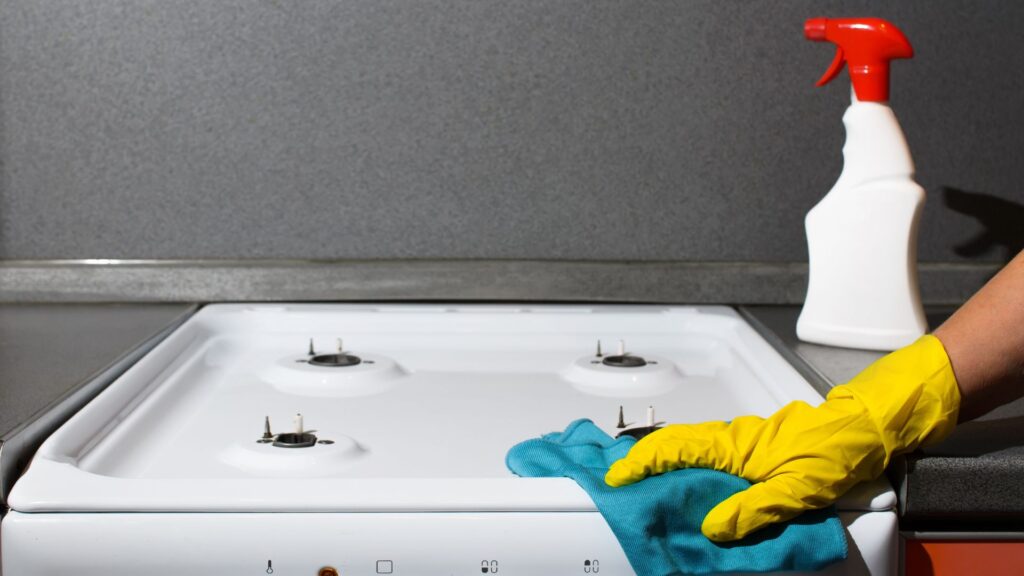
Tips for Keeping Your Microwave Clean
To avoid the dangers associated with a dirty microwave, regular cleaning is essential. Here are some tips to help you maintain a clean and safe microwave:
1. Regular Wiping
Wipe down the interior of your microwave after each use with a damp cloth or sponge. This helps remove any immediate spills or splatters before they have a chance to harden.
2. Deep Cleaning
Perform a deep clean at least once a week. You can use a mixture of water and vinegar or lemon juice. Microwave the mixture in a microwave-safe bowl for a few minutes until it steams, then wipe down all surfaces. The steam will help loosen any stubborn grime.
3. Cover Your Food
Covering your food with a microwave-safe lid or paper towel can help prevent spills and splatters, reducing the amount of cleaning needed.
4. Clean the Turntable
Remove the turntable and wash it regularly. Food and spills often accumulate here, so keeping it clean is crucial.
5. Ventilation
Ensure the microwave is well-ventilated to prevent overheating, which can cause food residue to burn and create a fire hazard.
A dirty microwave is more than just a cosmetic issue; it can pose several dangers, including fire hazards, health risks, inefficient cooking, bad odors, and potential damage to the appliance. Regular cleaning is essential to ensure your microwave remains safe and functional. By following the tips outlined above, you can keep your microwave clean and enjoy safe, efficient cooking for years to come. Don’t wait until your microwave is visibly dirty – make cleaning a regular part of your kitchen maintenance routine.
Frequently asked questions
Can a dirty microwave catch fire?
Yes. Food particles and grease that build up inside can overheat and burn, which raises the risk of a fire. Wiping spills right away is the easiest prevention.
How often should I clean my microwave?
Wipe the inside after each use with a damp cloth and do a deeper clean at least once a week, for example by heating a bowl of water with vinegar or lemon juice and wiping it out.
Does a dirty microwave affect cooking?
It can. Grime on the walls and turntable can get in the way of how the microwaves spread, so food heats unevenly. Old residue also causes odors that can carry into your food.
Want a cleaner, healthier home without the work? See our recurring house cleaning or start with a deep cleaning. Supplies are included.
Get a free cleaning estimate
Tell us about your home or office and we’ll send a free estimate. Call, text or use the quote form.
- Phone / text: (240) 350-6404
- Hours: Mon–Fri 8:00 AM–8:00 PM · Sat 8:00 AM–6:00 PM · Sunday closed
- Service area: Silver Spring, Bethesda, Potomac, Tysons and the DMV


 Send Message