




Quick answer: cleaning vs. sanitizing vs. disinfecting
Cleaning removes dirt, sanitizing lowers germs to safer levels, and disinfecting kills germs on surfaces. Clean first, then disinfect high-touch spots, and follow the directions on the label. The EPA keeps lists of registered disinfectants if you want to check a product.
- Cleaning removes dirt and some germs with soap or detergent and water.
- Sanitizing lowers the number of germs to safer levels.
- Disinfecting uses chemicals to kill germs on surfaces, after cleaning.
- Clean first: dirt keeps sanitizers and disinfectants from working.
What Is Cleaning?
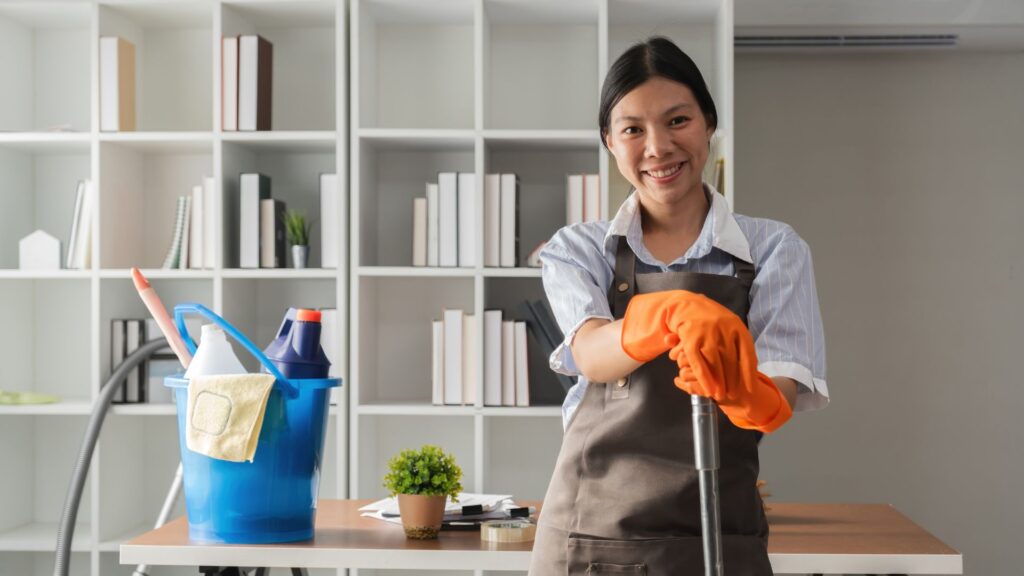
Cleaning is the process of removing visible dirt, dust, debris, and some germs from surfaces. This is typically done using soap or detergent combined with water. According to the CDC, cleaning works by physically removing contaminants rather than killing microorganisms. While this reduces the number of germs, it does not eliminate them completely.Examples of cleaning include
- Wiping countertops with soap or cleaning solution
- Vacuuming carpets and rugs
- Dusting furniture and surfaces
- Mopping floors
What Is Sanitizing?
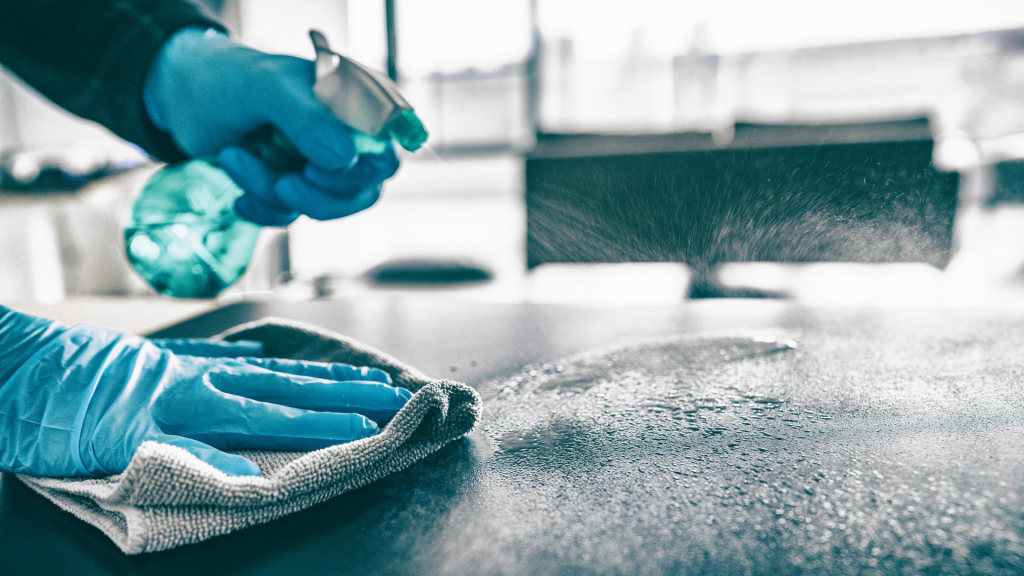
Sanitizing reduces the number of germs on surfaces to levels considered safe by public health standards. The EPA explains that sanitizing products lower bacteria counts but may not eliminate all viruses or microorganisms. Sanitizing is commonly used in environments where reducing microbial presence is sufficient for safety.Common sanitizing areas include
- Kitchen counters after food preparation
- Dining surfaces
- Frequently touched household surfaces
What Is Disinfecting?
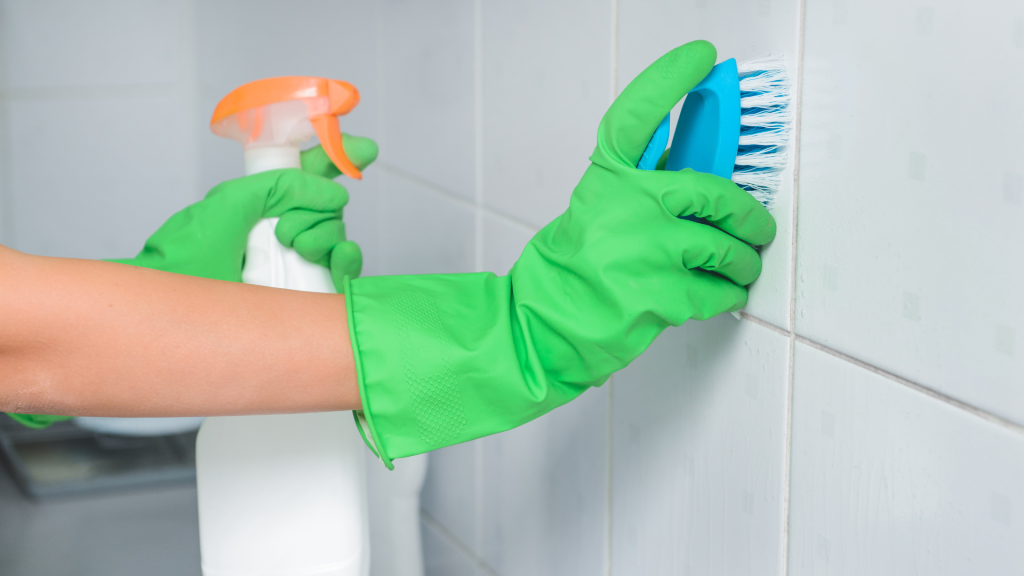
Disinfecting is the most intensive level of surface treatment. It uses EPA-approved chemicals designed to kill bacteria and viruses on hard, non-porous surfaces. The CDC recommends disinfecting high-touch surfaces, particularly during cold and flu seasons or when someone in the household is sick.High-touch surfaces that benefit from disinfecting include
- Door handles
- Light switches
- Bathroom fixtures
- Remote controls
- Frequently used electronics and surfaces
Why the Difference Matters in Everyday Homes
Many households unknowingly rely on only one method when different areas require different approaches. For example:- A kitchen may need cleaning followed by sanitizing.
- Bathrooms often require cleaning and disinfecting.
- Living areas benefit from routine cleaning combined with targeted disinfecting of touchpoints.
Why Professional Cleaning Makes a Real Difference
Professional residential cleaning services apply cleaning, sanitizing, and disinfecting strategically rather than randomly. Each area of the home requires specific methods, products, and timing to achieve effective results. Professional cleaners understand:- Which surfaces require disinfecting versus sanitizing
- How long disinfectants must remain on surfaces to work properly (known as dwell time, defined by EPA standards)
- How to prevent cross-contamination between rooms
- The correct order of cleaning to maximize effectiveness
Protecting Your Home Requires More Than Surface Cleaning
Modern households face constant exposure to germs through daily activities, visitors, pets, and shared surfaces. Maintaining a clean appearance is important, but maintaining hygienic conditions requires deeper attention and proper methods. Professional cleaning ensures that every space receives the appropriate level of care — cleaning where dirt accumulates, sanitizing where food preparation occurs, and disinfecting where germs spread most easily.Schedule Professional Cleaning for a Healthier Home Environment
Understanding the difference between cleaning, sanitizing, and disinfecting highlights why professional residential cleaning services provide lasting value. Proper techniques help maintain healthier living spaces while saving homeowners significant time and effort. Ana’s Cleaning Services provides detailed residential cleaning designed to meet modern hygiene standards. Each service applies the appropriate cleaning methods based on the needs of the home, ensuring thorough and consistent results. Scheduling professional service helps reduce germ buildup, maintain a healthier environment, and keep homes consistently clean without added stress. Request a free estimate today and secure your next residential cleaning appointment. Availability is limited due to ongoing service demand.Frequently asked questions
What is the difference between cleaning, sanitizing and disinfecting?
Cleaning removes dirt and some germs, sanitizing lowers germs to safer levels, and disinfecting kills germs on surfaces. Clean first, because dirt keeps the other two from working well.
Which surfaces should be disinfected at home?
High-touch surfaces: door handles, light switches, bathroom fixtures, remote controls and frequently used electronics.
What is dwell time when disinfecting?
It is how long a disinfectant must stay on a surface to work. Each product lists its time on the label.
Want a cleaner, healthier home without the work? See our recurring house cleaning or start with a deep cleaning. Supplies are included.
Get a free cleaning estimate
Tell us about your home or office and we’ll send a free estimate. Call, text or use the quote form.
- Phone / text: (240) 350-6404
- Hours: Mon–Fri 8:00 AM–8:00 PM · Sat 8:00 AM–6:00 PM · Sunday closed
- Service area: Silver Spring, Bethesda, Potomac, Tysons and the DMV


 Send Message